When a residential project transitions from the builder to the Resident Welfare Association (RWA), it marks a crucial shift in responsibility and accountability. This transition—known as the RWA Handover-Takeover (HOTO) Audit, ensures that homeowners receive not just the keys, but a functional, safe, and well-documented community. A core component of this audit involves Mechanical, Electrical, and Plumbing (MEP) services, which form the backbone of everyday living in any apartment complex.
In this guide, we delve into what MEP services are covered in an RWA HOTO Audit, why they matter, common findings, legal complexities, and how Nemmadi ensures transparency and technical excellence throughout the process.
What Is an RWA HOTO Audit and Why Does It Matter?
An RWA HOTO Audit is a technical inspection conducted during the transition of an apartment complex from the builder to the RWA or Management Committee. It includes a comprehensive review of civil, electrical, mechanical, and plumbing systems to ensure they function as per design, comply with safety norms, and meet promised specifications.
Nemmadi’s audit process is guided by national standards, including NBC 2016 fire safety norms, BIS codes, and real-world engineering best practices. For a full overview, check our comprehensive guide to RWA HOTO audit process.
The Role of MEP Services in an RWA HOTO Audit
MEP services are the lifelines of any residential community. Let’s break down what’s covered under MEP during an RWA HOTO Audit.
1. Mechanical Systems
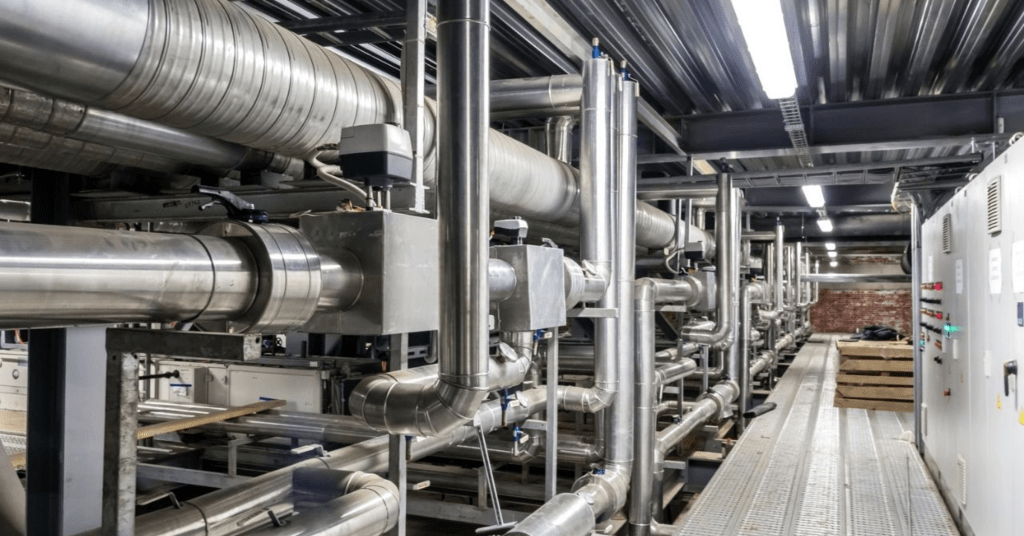
Gensets (Diesel Generators)
The gensets must be checked for capacity, automatic changeover functionality, soundproofing, exhaust direction, diesel leakage, battery health, and operating efficiency. Our Genset audit guide details these checkpoints.
Lifts/Elevators
Audits evaluate compliance with lift safety norms, ARD (Automatic Rescue Device), functioning of alarms, overload sensors, and AMC (Annual Maintenance Contract) coverage.
2. Electrical Systems
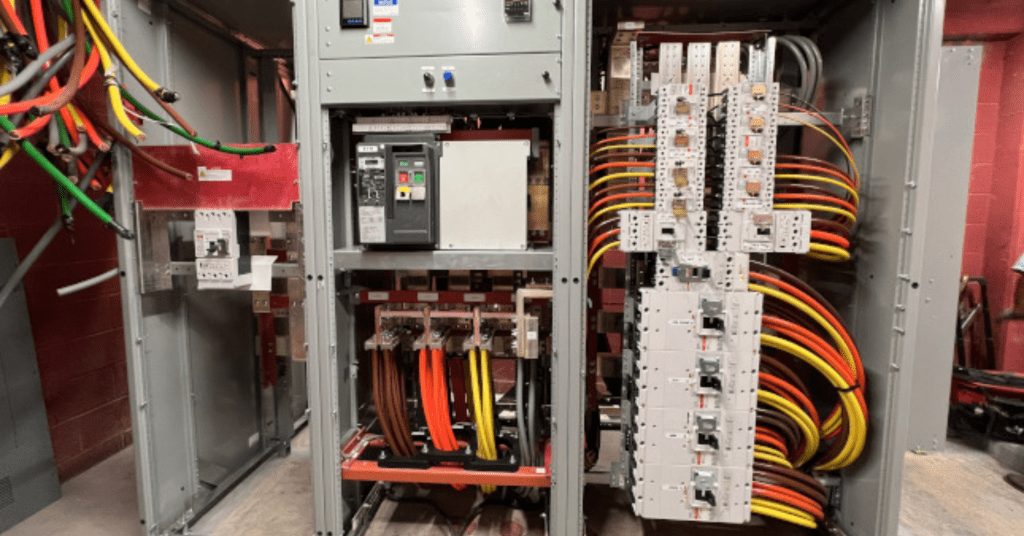
Main Panels and Distribution Boards
We thoroughly inspect panels for phase imbalance, load distribution, wiring standards, ELCB/MCCB operations, labelling, and insulation integrity. Improper panels are a known cause of fire hazards, making this a high-priority inspection.
Lighting and Emergency Power
Verification of stairwell lighting, escape route illumination, and emergency backup circuits ensures compliance with safety standards, including the NBC 2016 fire safety guidelines.
3. Plumbing Systems
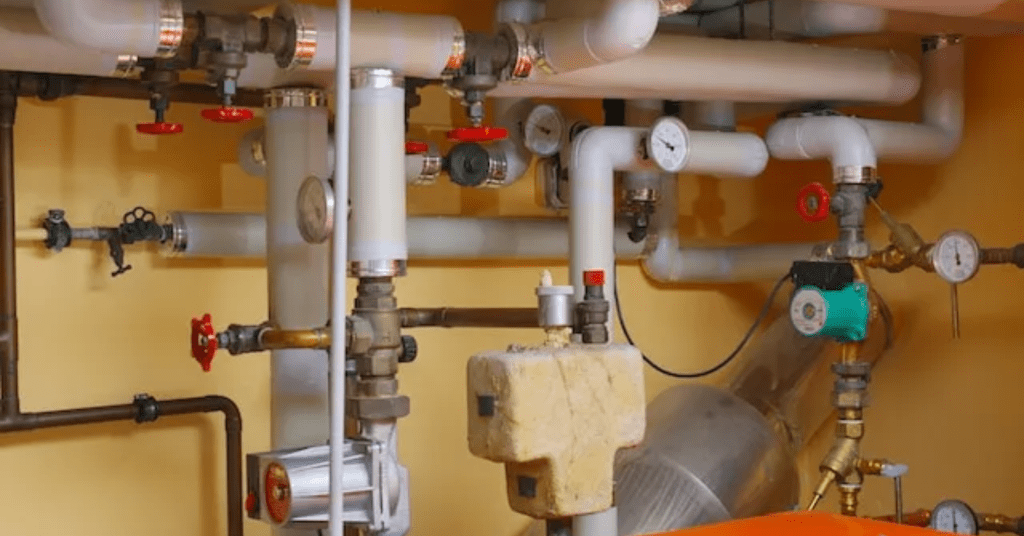
Water Treatment Plants (WTPs)
These must be evaluated for layout compliance, functionality of pumps, RO units, and filter media quality. We conduct comprehensive reviews as outlined in our WTP handover checklist.
Sewage Treatment Plants (STPs)
Our STP audits cover aeration systems, decanter pumps, MEE levels, sludge drying beds, and odour control.
Plumbing Network and Shaft Leakages
We inspect for concealed leaks, test pressure integrity, and check drainage slopes. These are often ignored during routine maintenance and become costly if unaddressed.
4. Fire Safety Systems
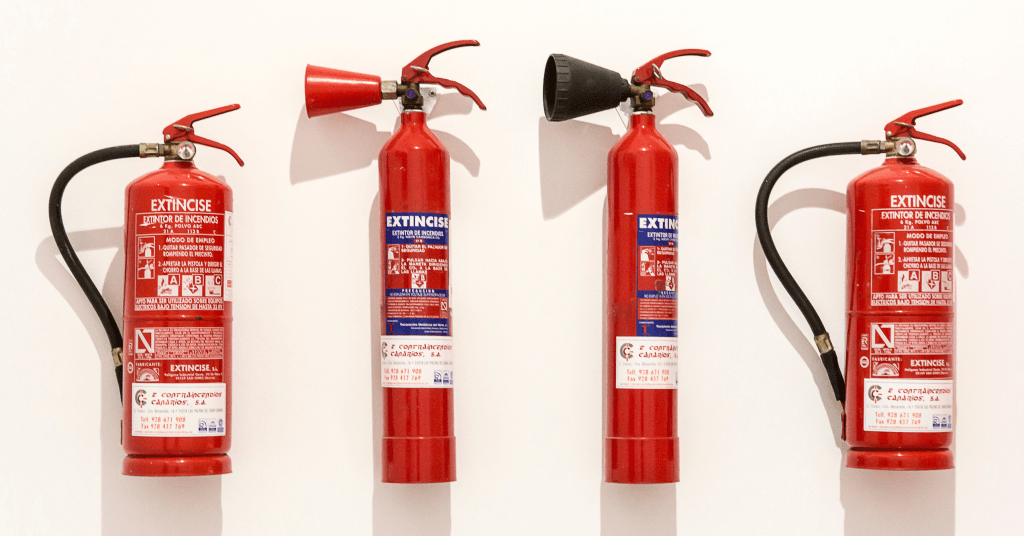
From fire alarms, sprinklers, and smoke detectors to hydrants and fire extinguishers, every component must meet NBC 2016 norms. We check water pressure, system zoning, signage, and maintenance status.
5. Solid Waste Management

Proper waste management systems are often missing or incomplete at handover. Our solid waste audit ensures that segregation areas, composting pits, and bins are operational and meet environmental standards.
Common Findings in RWA HOTO Audits
According to our audit findings, these are the most frequent issues:
- Faulty ELCBs and missing panel labels
- Damaged or non-functional genset batteries
- Incorrect pump sizing and plumbing layout errors
- Poor STP aeration and bad odour
- Shaft water seepages and ineffective waterproofing
- Absence of AMC documentation or warranty cards
- Improper emergency lighting and missing fire exit signs
Such issues, if undetected, can result in huge costs for the RWA later on. That’s why a thorough audit is not optional—it’s essential.
Legal Complexities in the Handover Process

Beyond engineering, the RWA HOTO Audit also has legal implications. Builders are obligated to deliver as-built drawings, operation manuals, warranties, and completion certificates.
But in many cases, as per our legal complexities guide, these documents are missing or outdated. Nemmadi helps RWAs identify gaps and push for legal compliance during the transition.
For a comprehensive understanding of legal rights and obligations, refer to our RWA formation FAQs.
FAQs from RWAs About RWA HOTO Audits
Q1. Why can’t our Facility Management Services (FMS) team handle the audit?
FMS teams are trained for operations, not deep technical evaluations. As explained here, they miss construction and design flaws that experts can detect.
Q2. What should we demand from the builder?
Detailed drawings, O&M manuals, NOCs, equipment test reports, AMC contracts, and all statutory documents. Our HOTO FAQ guide provides a full list.
Q3. How long does the audit process take?
It depends on the size of the property, but typically ranges from 2 to 4 months, followed by report submission and builder meetings.
Q4. Who should initiate the audit—the builder or the RWA?
While builders may suggest third parties, it is best for RWAs to engage independent experts like Nemmadi to ensure an unbiased review.
Why Choose Nemmadi Over MNCs or Facility Teams?
While many MNCs or FMS vendors offer generic checklists, Nemmadi provides:
- A multi-disciplinary team of civil, electrical, and mechanical engineers
- Use of advanced tools like thermal cameras, load testers, and moisture meters
- Objective, photo-tagged, and time-stamped digital reports
- Real case studies and outcomes across India
Learn more about our unique approach in this comparative analysis.
Ensure Your Community Is Future-Ready
The builder-to-society handover is a once-in-a-lifetime event for any residential community. Doing it right saves lakhs in repair costs, enhances safety, and provides long-term peace of mind.
If you are part of an RWA or Management Committee preparing for handover—or stuck in a delayed process—it’s time to act. Contact Nemmadi today to schedule a professional RWA HOTO Audit tailored to your community’s needs.
Trust, Transparency, and Technical Expertise. That’s the Nemmadi difference.