
The handover process from a Builder to Society via an Owners Association is a critical phase that requires meticulous planning and execution, which requires a Handover Checklist. This comprehensive guide aims to provide a detailed checklist to ensure a smooth transition, covering everything from workmanship of civil works, legal documents to operational procedures. Improve your Handover using Nemmadi RWA Management and HOTO Handbook.
What Is the RWA HOTO Process?
HOTO stands for Handover-Takeover. It is a structured procedure designed to transfer duties, responsibilities, and assets from the builder to the Residents’ Welfare Association. This systematic approach ensures a smooth and transparent transition, minimising disruptions and safeguarding important information. Key steps include:
- Documentation Review: Verifying legal documents, occupancy certificates, statutory clearances, and warranties.
- Technical Audits: Inspecting civil, structural, MEP (Mechanical, Electrical, and Plumbing) systems, and fire safety.
- Snag Identification and Resolution: Listing and fixing any defects before final acceptance.
- Asset and Responsibility Transfer: Handing over infrastructure and knowledge bases (manuals, protocols).
- Knowledge Transfer and Training: Providing operational guidelines and training to the incoming party.
What Is an RWA HOTO Document?
The HOTO document is the formal record produced during the Handover-Takeover process. It provides an official reference point for both parties and includes:
- Project Overview and Scope — layout plans, design details, and statutory approvals.
- Operating Manuals and Protocols — guidelines for equipment usage, emergency measures, and maintenance schedules.
- Snag or Defect Reports — documentation of pending repairs or corrective measures.
- Financial and Legal Records — outstanding bills, budgets, warranties, and service contracts.
- Contact and Access Details — directories of key personnel, login credentials, and security codes.
Why is a Smooth Handover Important?
A smooth handover is crucial for the long-term well-being of the residential complex. It ensures that all legal, financial, and operational aspects are transparently and efficiently transferred from the builder to the Society i.e. essentially the Owners Association. This process sets the foundation for the future management of the community assets efficiently.
The HOTO Process: A Step-by-Step Timeline
- Formation of the Residents’ Welfare Association: Form the RWA, elect a management committee, and register under the appropriate Act. Ensure the Deed of Declaration is properly registered. Open a bank account in the Association’s name.
- Notification to the Builder: Send a formal notice requesting handover with clear deadlines for document submission and pending approvals.
- Legal Documentation Collection: Collect the mother deed (30–50 years of ownership history), title documents, Occupancy Certificate, Fire NOC, sanction plans, and all statutory clearances.
- Technical Audits and Inspections: Conduct professional technical audits covering civil engineering, MEP systems, fire safety, and documentation compliance. This is where professional HOTO audits become non-negotiable.
- Financial and Maintenance Handover: Complete corpus fund transfer, maintenance account audits, and Annual Maintenance Contract (AMC) reviews.
- Defect Rectification: Address defect rectification based on audit findings, with the builder responsible for corrections before final acceptance.
- Final Handover and RWA Governance: Sign final handover documents, establish RWA-led management, and implement maintenance schedules.
Key Steps for a Smooth Handover
Legal Formalities
1. Formation of Owners Association
Ensure that the Owners Association is legally formed and registered.
Karnataka Laws Governing the Formation of Owners Association: According to the Department of Stamps and Registration, Government of Karnataka, the formation and registration of an Owners Association are governed by specific laws. The Karnataka Apartment Ownership Act 1972 and Rules 1975 provide the legal framework for acquiring ownership under the Apartment Act. The deed of the apartment should be signed and registered as per these guidelines.
Choosing the Right Act: A Critical Decision
The Karnataka High Court’s 2025 judgement provided much-needed clarity on which Act is appropriate for different types of associations:
- Karnataka Apartment Ownership Act (KAOA) 1972: Ideal for purely residential complexes. Requires a Deed of Declaration (DoD). Provides clear governance frameworks and proper legal standing.
- Karnataka Cooperative Societies Act 1959: Works best for mixed-use developments (commercial + residential). Allows maintenance collection and provides full juristic entity status. Registration typically takes 3–6 months.
⚠ Critical Mistake to Avoid: Many builders mistakenly register associations under the Karnataka Societies Registration Act 1960. This Act does not permit maintenance collection — the core function of RWAs. Court judgements have invalidated such registrations, and residents can legally refuse to pay maintenance fees to such associations. Always verify your sale deed to understand which Act governs your association.
A significant 2021 Karnataka High Court judgement further clarified that the Karnataka Apartment Ownership Act and the Cooperative Societies Act are not mutually exclusive. If a developer registers the Deed of Declaration after selling flats, it is legally non-existent. Under the Karnataka Apartment Ownership Act, the builder cannot retain any part of the common area. Additionally, recent judgements indicate that flat owners need not pay maintenance fees if the Occupancy Certificate has not been provided by the developer.
2. Legal Scrutiny of Documents
When it comes to the handover from a builder to an Owners Association, legal scrutiny of documents is a crucial step. Below are the key documents that need to be scrutinised:
- Sale Deed — proof of sale and transfer of ownership from the builder to the buyer.
- Occupancy Certificate — issued by the local municipal authority, confirms the building is ready for occupation.
- Land Title Deed — proves the legality of the property; must have a clear history of ownership without disputes.
- Building Approval Plan — approved by the local municipal authority; confirms adherence to legal norms.
- Allotment Letter — contains details of the property price, payment received, and date of possession.
- Encumbrance Certificate — evidence of free title/ownership; confirms the property is not mortgaged.
- No Objection Certificates (NOCs) — from water, electricity, environment, and other boards.
- Tax Receipts — confirms all property taxes have been paid up to date.
- Completion Certificate — confirms building is constructed as per the approved plan.
- Maintenance Agreement — outlines maintenance fees and how they will increase over time.
- Power of Attorney (if applicable) — must be legally valid and the sale must be lawful.
3. Transfer of Legal Titles
The transfer of legal titles of common areas to the Owners Association is a critical aspect of the handover process. Common areas typically include gardens, lobbies, swimming pools, clubhouses, and other shared amenities.
- Identify Common Areas: Make a comprehensive list of all common areas within the property.
- Verify Ownership Documents: Request the builder to provide legal documents proving ownership of common areas.
- Legal Scrutiny: Have a legal expert scrutinise the ownership documents.
- Draft a Transfer Agreement: Draft a legal agreement outlining the terms and conditions of the transfer.
- Obtain NOCs: Obtain NOCs from relevant authorities if required.
- Execute the Transfer Deed: Once all documents are verified, execute the transfer deed in the presence of a legal advisor.
- Registration of Transfer Deed: Register the transfer deed with the local sub-registrar office.
- Update Land Records: Ensure land records are updated to reflect the new ownership in public records.
- Handover Physical Possession: Take physical possession of the common areas and ensure they are in agreed condition.
- Document Storage: Safely store all legal documents related to the transfer.
The information shared here is generic to all projects. As individual cases differ and given the legal implications, it is advisable to consult with legal experts throughout this process.
Financial Aspects
Audit of Accounts
Hire a certified auditor to conduct a thorough audit of all financial transactions related to the property. An audit will provide a clear picture of the financial health of the property and identify any discrepancies, unpaid bills, or unaccounted funds.
Transfer of Funds
Request a detailed statement from the builder outlining all funds collected on behalf of the Owners Association, including maintenance fees, security deposits, and other collections. Once verified, these funds should be transferred to an account controlled by the Owners Association.
Budget Planning
Form a budget committee within the Owners Association to prepare a detailed budget for the first year. This should include estimates for maintenance, security, utilities, and any planned improvements.
Maintaining Three Separate Funds
Maintain three separate funds for sound financial management:
- Maintenance Fund: For monthly operations — security, housekeeping, utilities, and routine repairs.
- Sinking Fund: For major repairs and capital expenditure such as lift replacements and waterproofing.
- Corpus Fund: For contingencies and emergency expenses. Budget with a 10–15% buffer over actual costs.
Operational Transition
Property Check: Conduct a Comprehensive Property Inspection
A comprehensive property inspection is crucial for identifying any defects, safety hazards, or areas that require immediate attention. This ensures that the property is in optimal condition before the handover.
What to Inspect?
The inspection should cover various areas in residential properties, including but not limited to basements, lifts/elevators, electrical rooms, water treatment plants, and firefighting systems. This means Civil, MEP, Legal and Technical Documentation.
Full List of Areas Covered in a HOTO Audit
A comprehensive HOTO audit covers every area of the common areas. Nemmadi’s audits inspect all of the following:
- Basements — water seepage, dampness, structural damage, water stagnation, incomplete works.
- Lifts and Elevators — structural integrity of lift wells and machine rooms, cracks, unfinished works.
- Escalators (if applicable)
- Electrical Rooms and Transformer Yards — water seepage, dampness, cracks, incomplete fencing.
- DG Sets Room — water-related issues, structural issues, incomplete works.
- Sewage Treatment Plant (STP) Room
- Water Treatment Plant (WTP) Room
- Fire Fighting Pump Rooms
- Sumps and Pumping Plant
- Rainwater Harvesting System
- Firefighting Systems
- Lobbies and Corridors
- Parking Areas
- Podium
- Terraces and Rooftops
- Overhead Water Tanks
- Helipad (if applicable)
- Roads and Pathways
- Staircases
- Basement Ventilation and Exhaust Systems
- Dampness and damages in all common areas
- Painting work in common areas
- Shafts and Ducts open for inspection
Civil Engineering Audit: Key Focus Areas
- Basements: Assessed for water seepage, dampness, potential structural damage, and water stagnation.
- Lifts and Elevators: Structural integrity of lifts, lift wells, and machine rooms — identifying cracks that may compromise functionality.
- Electrical Rooms and Transformer Yards: Examined for water seepage, dampness, cracks, and potential water stagnation.
- DG Sets, STP, WTP, Fire Fighting Pump Rooms, and Underground Sumps: Each examined for water-related issues (seepage, drainage, water stagnation), structural issues, and incomplete works.
- Swimming Pool, Roofs, Terraces, Shafts, and Car Parking: Inspected for waterproofing issues, uniform painting, and structural integrity.
Root cause analysis is conducted for any identified dampness or cracks using advanced tools such as moisture metres and thermographic imagers.
MEP (Mechanical, Electrical, and Plumbing) Quality Audit
- Electrical: HT Yard/Transformer Yard, LT Electrical Works, Basement Electrical Works, Electrical Panel Boards, DG Sets — all inspected for safe and effective earthing. All light fixtures, switch boxes, street light poles, and cable trays are checked.
- Plumbing and Fire Fighting: Plumbing works and firefighting installations assessed, including STP, WTP, and fire alarm systems.
Before or during this process, it is necessary to open a bank account in the Association’s name and appoint an Estate Manager. At a later stage, consider appointing a Facilities Management agency to handle maintenance, security, and housekeeping after takeover.
Depth and Scope of the Audit
The scale of a proper HOTO audit is often underestimated. For an apartment of 2,000 square feet, Nemmadi checks approximately 1,500 points. The scope for an entire society is proportionally far greater, covering every system and every common area comprehensively.
Nemmadi also offers Total Station surveying to confirm the exact boundaries and area of the property — ensuring the RWA has an accurate understanding of their premises for future planning and dispute resolution.
The Role of Third-Party Auditors
Consider hiring a third-party auditor like Nemmadi who specialise in property inspections for RWAs. Third-party auditors bring expertise and an unbiased perspective, ensuring a more thorough and reliable inspection.
Inventory Check
Conduct a comprehensive inventory check of all movable and immovable assets, including furniture, equipment, and fixtures. This is done in conjunction with the Deed of Declaration (DoD) that the builder and the RWA would have signed together. This DoD is the document that has all the assets and other important details contained in it.
Utility Transfer: Coordinate with the builder and local utility providers to transfer utilities like water, electricity, and gas to the Owners Association.
Maintenance Contracts: Review all existing maintenance contracts for services like security, cleaning, and landscaping. Make sure to transfer these contracts from the builder to the Owners Association.
The Four Components of a HOTO Audit
A complete HOTO Audit comprises four distinct components. Each addresses a different dimension of the handover:
- Quality Audit
Ensures all installations are done correctly. Includes inspection of construction workmanship, amenities, utilities, and safety systems, focusing on both civil engineering and MEP aspects. Advanced tools like moisture metres and thermographic imagers are used for detailed inspection. Areas like basements, lifts, electrical rooms, firefighting systems, and parking are thoroughly checked for quality and compliance.
- Design Audit

A Design Audit checks the adequacy of building services provisions — not merely whether they were installed, but whether they are sufficient to handle the requirements of the complex at full occupancy. This is distinct from the Quality Audit.
Example: A residential project has been provided with a Sewage Treatment Plant (STP) of 70 KLD capacity. The Design Audit verifies whether 70 KLD is actually sufficient to process the maximum sewage at full occupancy as per NBC norms — and whether the installed STP can physically process this volume. When these criteria are met, the RWA faces no surprises in the future.
Design Audit similarly covers Electrical Transformers, DG Sets, WTP, and Fire Fighting systems. It ensures that provisions can handle the requirements of the apartment complex at full occupancy without throwing surprises — surprises that should have been identified by the builder during construction.
- Documentation Audit
Verifies that all necessary documents are handed over. There are three categories:
- Construction Documents: Required for maintenance purposes to trace pipelines, cables, and beams during repairs — since maintenance personnel will not know how the construction team built things.
- Operational Documents: Electrical circuit diagrams, operational manuals for Gensets, WTP, STP, and other equipment — necessary to operate and maintain systems efficiently.
- Statutory Documents: Building approved plans, NOCs from Fire Department, Airport Authority, and other government bodies — required to avoid statutory action. In some cases non-compliance attracts criminal action.
- AMC Advisory
The builder typically organises Annual Maintenance Contracts (AMCs) for equipment such as lifts and gensets. Each AMC must be critically examined for:
- Comprehensiveness of coverage — does it include all aspects of the equipment?
- Periodicity of inspections — are service intervals adequate?
- Hidden costs — does it cover spares, consumables, and call-out charges?
- Whether all deserving equipment is covered with an AMC — and none that are unnecessary.
AMC Advisory optimises cash-outflow for the newly formed RWA, ensuring every contract is scrutinised for essentiality and comprehensiveness.
Additional Information for Handover: Technical Documentation
A technical Documentation Audit is also advised. During this audit the MC will be made aware of various documents the Builder needs to provide for the smooth running of their property:
- As-Built Drawings
- Certificates from Local Authorities
- Completion Certificate (CC)
- Occupancy Certificate (OC)
- Transfer of Utility Connections (proof of)
- Design Brief Review (DBR)
Financial Documents
- Building Insurance Policy: A copy of the insurance policy for the building.
- Tax Payment Receipts: Property and construction tax payment receipts.
- Utility Deposit Information: Certifications of no delinquency and security deposit information.
- Account Statements: Detailed accounting of all member payments received, beyond the purchase price, with audited statements.
Genset Details During Builder to Society Handover
The Generator Set (Genset) is a critical component that often gets insufficient attention during the HOTO process. Understanding its structure, warranty terms, and compliance requirements is essential for the RWA.
The Three Components of a Genset
- Engine — fuels the alternator to generate electricity.
- Alternator — converts mechanical energy into electrical power.
- Acoustic Enclosure — provides noise reduction and safeguards the machinery.
The Role of the Original Equipment Manufacturer (OEM)
The OEM ensures that the engine and alternator — sourced from principal manufacturers — are coupled correctly and meet stringent guidelines. It is the authorised service dealer, not the OEM, who handles warranty claims. A standard Genset comes with a two-year warranty. Missing even one scheduled service can invalidate this warranty and leave the RWA exposed.
Emission, Sound Checks, and Legal Compliance
- Emission and sound checks must be conducted every six months as required by Pollution Control norms.
- A Consent for Operation (CFO) must be obtained from the State Pollution Control Board before handover. The CFO remains valid for five years and is a mandatory legal document — the RWA must not accept handover without it.
Common Genset Snags Found in HOTO Audits
- Hard flooring not completed around the DG set area.
- Exhaust stack not extending high enough above the building as per Pollution Control norms.
- Diesel day-tank fuel leakage around the pump gasket — a fire and environmental hazard.
- Control panel defects — faulty metres, indicators, and auto-start circuit issues.
- Earthing system not meeting IS/IEC standards.
- Missing or expired AMC for the DG set.
Why Professional HOTO Audits Are Non-Negotiable
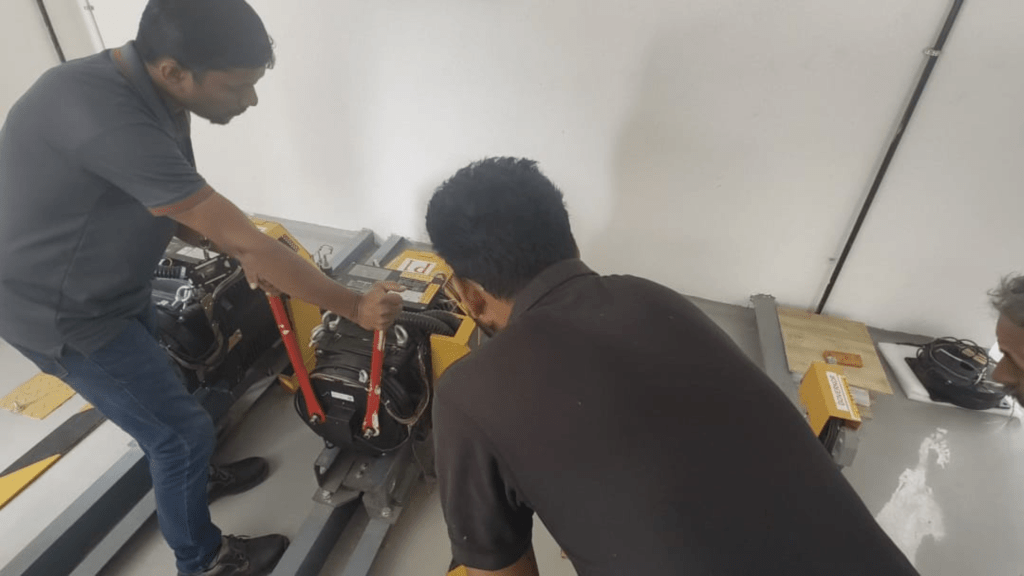
Real-world audit findings from Bengaluru apartment complexes reveal critical issues that untrained eyes miss. In one documented case, a professional MEP audit of a large Tier 1 complex uncovered:
- Electrical: Loose cable terminations causing overheating, inadequate earthing, missing RCDs near water-proximity areas, and DG fuel leakage — all potential fire hazards.
- Fire Safety: Water pressure at top floors was only 2 bar versus the required 3.5 bar; sprinkler heads were painted over; fire alarm backup batteries were past end-of-life.
- Plumbing: Only one of two installed water pumps was operational; the WTP softener was bypassed; STP sludge dewatering equipment was non-functional.
- Lifts: Statutory certificates overdue by 18 months; Automatic Rescue Devices non-functional in multiple lifts; emergency alarms non-functional.
Without professional audits, RWAs inherit these problems and bear rectification costs — often ₹10–50 lakhs for large complexes. A comprehensive audit typically costs ₹2–5 lakhs but delivers 10–20x ROI by ensuring the builder bears rectification expenses before handover.
Real Problems Found During Audit
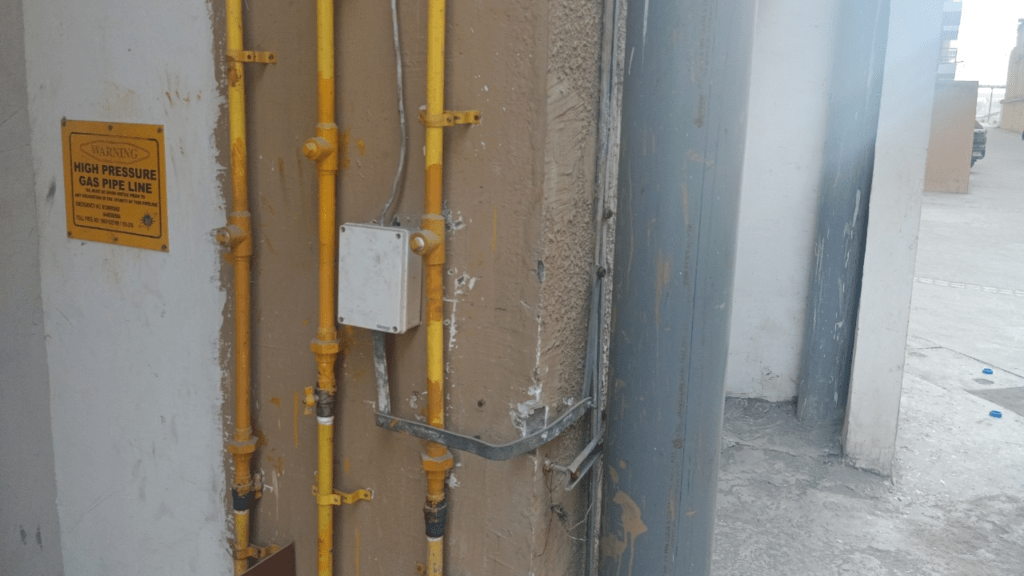
During over 4,000 home inspections across Bengaluru, Chennai, and Hyderabad, Nemmadi engineers have documented these common issues that residents frequently miss:
- Cracked or broken pipes above false ceilings in bathrooms — invisible until water damage appears below.
- Clogged drains only discovered when taps are run for extended periods — not during a quick walkthrough.
- Decorative faucets connected to sinks without proper plumbing functionality.
- Leaky shower controls where water seeps behind dado tiles and walls.
- Termite presence discovered in hidden areas of new builds.
- Water flowing behind layers of paint, seeping through walls — only visible after prolonged use.
- Below-sink plumbing defects not visible during a casual visual walkthrough.
Audit Findings Case Study: Tier 1 Apartments, Bengaluru
The following is from a real MEP Audit conducted at a large Tier 1 residential complex in Bengaluru (identity withheld). This documents critical findings from a comprehensive RWA HOTO audit — findings the RWA would have inherited without professional intervention.
Electrical Systems
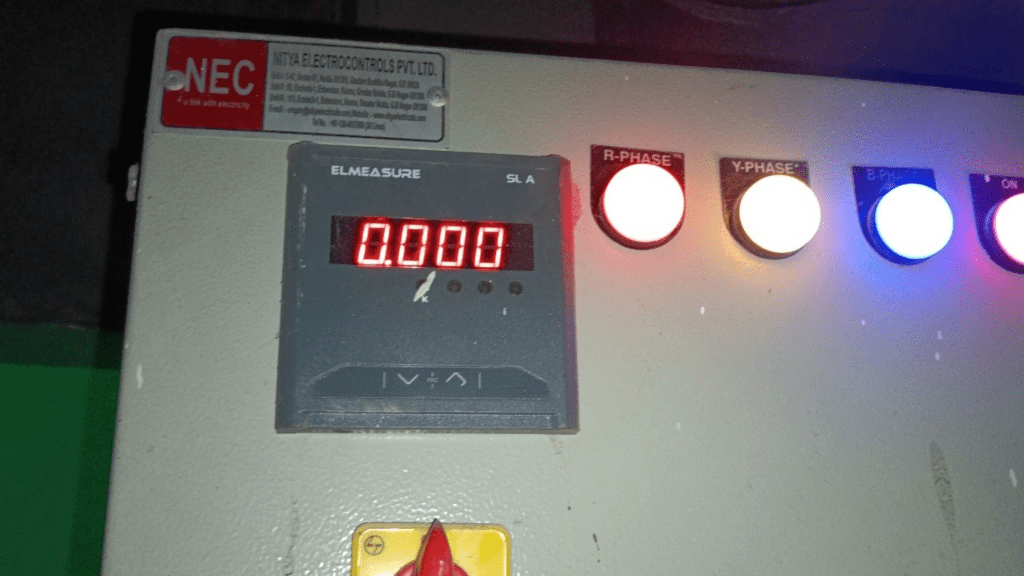
- Loose cable terminations with signs of overheating on bus bar joints — a direct fire risk.
- Inadequate safety clearances around panels due to storage of cleaning materials in the electrical room.
- Earthing incomplete; some distribution boards lacked proper earth continuity; earth resistance above acceptable limits.
- DG exhaust stack not high enough per Pollution Control norms; diesel day-tank showing fuel leakage.
- ~20% of Distribution Boards had missing circuit labels — emergency identification impossible.
- RCDs (Residual Current Devices) not installed near water-proximity areas such as gym and indoor pool.
Fire and Life Safety
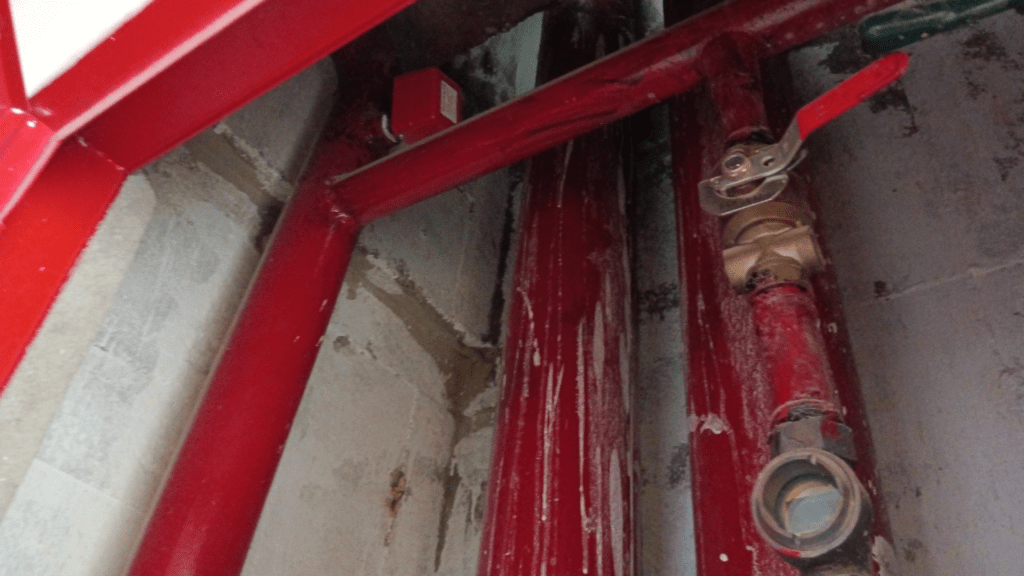
- Fire pump delivered only 2 bar at top-floor hydrants versus the required 3.5 bar per NBC.
- Diesel backup fire pump failed to start automatically when electric pump was switched off.
- Sprinkler heads in the basement were painted over — preventing activation in a fire.
- 3 out of 20 smoke detectors tested did not trigger an alarm at the panel.
- Fire alarm backup batteries past end-of-life — alarm system could shut down if mains power fails.
- ~5 portable fire extinguishers overdue for refilling (last serviced 2+ years ago).
- Fire exit door self-closing mechanisms not working on three floors — doors propped open.
Plumbing and Lifts
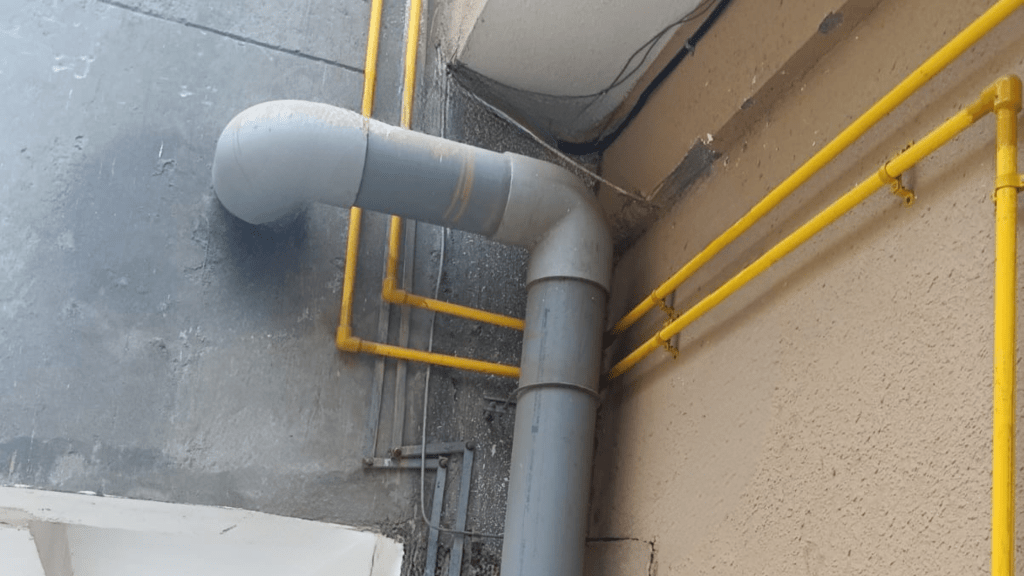
- Only one water pump operational when two were installed — low pressure during peak hours.
- WTP softener was bypassed; STP sludge dewatering equipment non-operational.
- Lift statutory certificates overdue by 18 months; ARDs non-functional in multiple lifts; emergency alarms non-functional.
Comprehensive Case Study: Multi-Tower Residential Complex
A recent Nemmadi HOTO audit of a multi-tower residential complex provides a further illustration of why thorough pre-handover inspections are essential. Key findings:
Structural and Civil
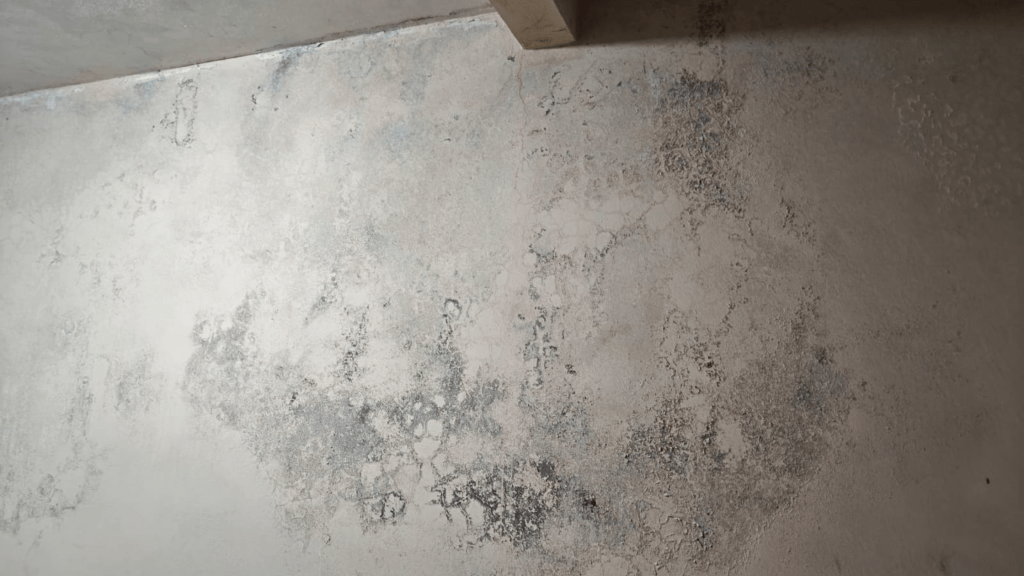
- Multiple wide cracks (>2mm) and medium cracks (1–2mm) detected in ceilings and walls.
- Honeycomb formations in critical areas including parking zones and lift lobbies.
- Extensive water seepage stains at basement beams; poor waterproofing affecting building envelope.
- Chipped floor tiles creating slip and trip hazards in high-traffic zones.
STP: Environmental Compliance Crisis
- Floating debris in equalisation tanks; blocked diffusers in aeration systems.
- MLSS levels exceeding prescribed regulatory limits.
- Treated water discharged to drainage instead of mandated reuse systems — non-compliance with KSPCB guidelines.
- Operators lacking proper training; missing maintenance logbooks.
Electrical, Fire Safety, and Documentation
- Ventilation fans operating in manual mode; exhaust fan systems tripped and non-functional.
- Fire alarm device loops disconnected; sprinklers blocked by pipelines and signage.
- Fire-rated doors missing in critical areas; booster pump in manual mode — cannot auto-start during a fire.
- O&M manuals absent for key systems; as-built drawings inconsistent with actual installations.
RWAs that accept handover without a professional audit often bear rectification costs of ₹10–50 lakhs for large complexes. A comprehensive audit ensures the builder bears these expenses.
Post-Handover: Preventive Maintenance Planning
After accepting handover, address safety-critical issues first, then implement a structured preventive maintenance schedule:
- Daily: DG fuel level check, fire pump operational check, STP process monitoring.
- Weekly: Backup systems testing, fire alarm panel check, water quality monitoring.
- Monthly: AMC services for lifts and generators, STP/WTP detailed inspection, electrical panel checks.
- Annual: Comprehensive audit of all systems, structural inspection, financial audit.
Common Issues During Builder to Association Handover
During the handover and takeover of apartments, RWAs commonly encounter the following problems:
- Lack of accurate records and documentation for transfer of ownership and maintenance duties.
- Disputes with unpaid property taxes, maintenance payments, or other financial responsibilities.
- Misunderstandings regarding the handover date, state of the property, and distribution of keys.
- Coordination issues with the builder, developer, or municipal authorities.
- Difficulty ensuring all required maintenance or repairs are finished before transfer.
Monthly Maintenance Charges: What to Budget For
Typical expenses for an apartment complex’s monthly maintenance fees include:
- Security costs — officers, security systems, CCTV infrastructure.
- Cleaning and maintenance of common areas — lobby, elevators, staircases, gardens.
- Facilities and services — swimming pool maintenance, gym upkeep, clubhouse.
- STP operation and maintenance — a complex system requiring regular professional servicing.
- WTP operation — including reverse osmosis, filtration, and quality testing.
- Water softeners — maintenance of resin beds, salt supply, and regeneration cycles.
STP Issues to Watch For
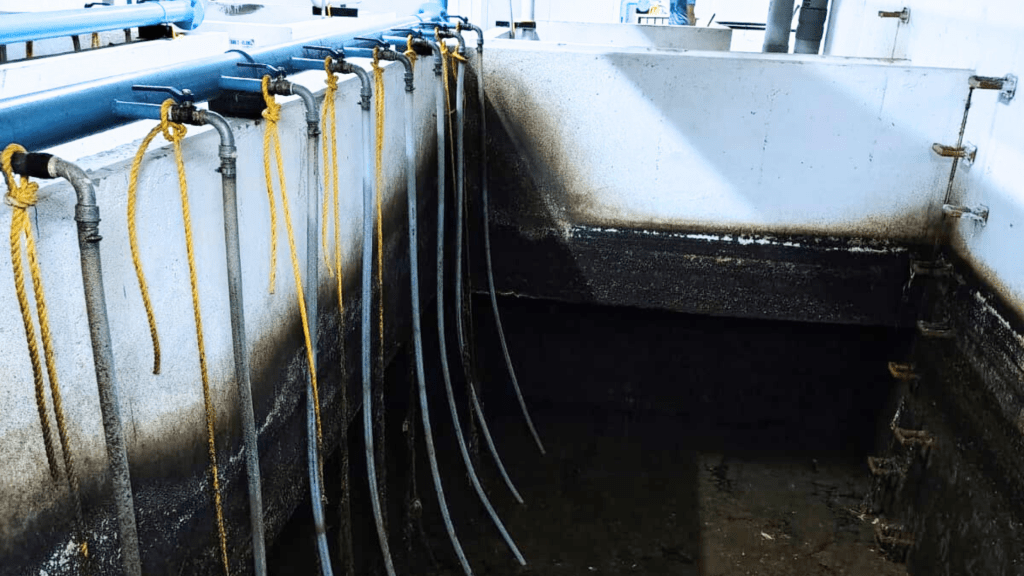
- Overflow: If clogged or not operating properly, raw sewage may overflow — causing flooding.
- Odours: Unpleasant odours from a faulty STP system affect surrounding households.
- Health Risks: Improperly treated sewage may contain harmful pathogens.
- Capacity: The STP may malfunction if not sized for the full occupancy load of the complex.
- Power Outages: Without backup power, an STP shuts down during power cuts — leading to overflow.
- Noise Pollution: Mechanical aeration systems can be loud; verify design before accepting handover.
WTP and Water Softener Issues
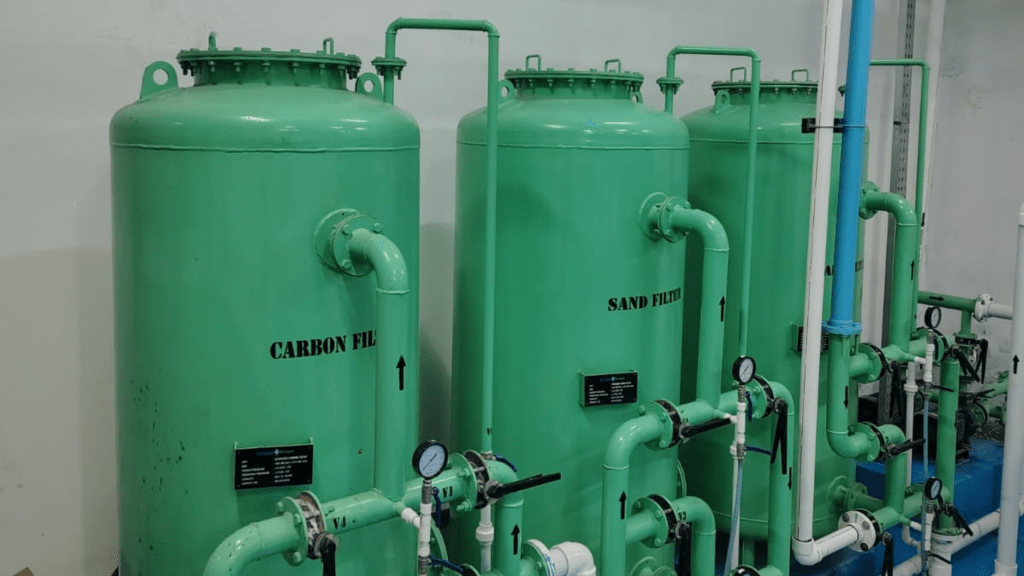
- Algae and biological growth causing odour and taste problems.
- High concentrations of iron, manganese, or chlorine altering taste and creating health risks.
- Lack of proper filtration or disinfection — dangerous contaminants passing through to supply.
- Water softener salt bridging — a hard crust forming in the resin tank obstructing water flow.
- High sodium levels in softened water — problematic for residents on low-sodium diets.
Pest Control
Cockroaches, ants, bed bugs, and rodents are common in apartment complexes. Prevention requires:
- Keeping common areas hygienic and clear of food waste.
- Sealing any cracks or openings in walls, floors, and ceilings.
- Regular inspections for infestation indicators — droppings, nests, live pests.
- Engaging a professional pest control agency for complete eradication when required.
RWA HOTO Challenges and How to Address Them
STP Management Challenges
In Bengaluru, any construction over 2,000 square metres must include an STP. Despite this mandate, most STPs in apartment complexes are rated below 5 out of 10 in terms of efficiency and effectiveness. Key challenges:
- Bar Screens: Often neglected, leading to clogging and inefficiency. Stainless steel is the preferred material over Mild Steel.
- Biochemistry Balance: A well-balanced biochemistry ensures efficient breakdown of waste and prevents ammonia or sulphur production.
- HVAC for STP: Many STPs neglect the HVAC system, leading to odour problems and inefficiencies.
- Resident Behaviour: Flushing inappropriate materials such as pet hair significantly hampers STP performance.
- Equipment Replacement vs Repair: Constant repairs are costlier in the long run and less effective than timely replacement.
Water Management Challenges
- Over-reliance on tanker water without regular quality testing from NABL-certified laboratories.
- WTPs must be customised based on specific water quality — a one-size-fits-all approach does not work.
- Tower-level water metres ensure residents are billed according to actual consumption.
- Rainwater harvesting and wastewater reuse systems reduce dependency on external sources.
Construction Quality Challenges
- Quality variability across projects by the same builder — differing subcontractors contribute to inconsistency.
- A one-size-fits-all audit approach is not feasible — each project demands a tailored evaluation.
- Experienced auditors with thermographic cameras and moisture metres are essential for detecting hidden issues.
The Nemmadi RWA HOTO Handbook

Launched on 1st January 2025, the RWA HOTO Handbook by Nemmadi is an 80+ page guide available in both premium print and searchable digital formats. Built on real-world scenarios from over a decade and 50+ RWA HOTO audits, it offers a comprehensive roadmap for the Management Committee.
The handbook covers:
- Emergency Response Framework — be prepared for unforeseen challenges.
- Critical Contact Information — access vital service providers in seconds.
- Property Management Essentials — standardise operations with clear documentation and agreements.
- Financial and Legal Guidance — navigate complex requirements confidently.
- Maintenance and Operations Protocols — preventive schedules and transformer upkeep.
Managing a Society as a Management Committee is not easy. The Nemmadi RWA HOTO Handbook is built from real experience.
DOWNLOAD NOW: RWA HOTO & MANAGEMENT HANDBOOK
Frequently Asked Questions (FAQs)
Q1. What is the builder to RWA handover process in India?
The builder to RWA handover is the formal transfer of a residential complex from the developer to the Owners Association. It covers three key areas: legal transfer of documents and common area titles, financial transfer of collected funds and accounts, and operational transfer of utilities, maintenance contracts, and physical assets.
Q2. What documents should a builder provide during society handover?
The builder must provide the Sale Deed, Occupancy Certificate, Completion Certificate, Land Title Deed, Building Approval Plan, Encumbrance Certificate, all NOCs (water, electricity, environment), property tax receipts, maintenance agreement, as-built drawings, and audited account statements. Missing even one document can cause legal complications later.
Q3. What is a Deed of Declaration (DoD) in apartment handover?
The Deed of Declaration is a critical legal document signed jointly by the builder and the RWA during handover. It contains a complete list of all assets — both movable and immovable — within the property, and serves as the master reference document for inventory verification and future asset management by the Owners Association.
Q4. How do I form an Owners Association in Karnataka?
In Karnataka, an Owners Association is formed and registered under the Karnataka Apartment Ownership Act 1972 and Rules 1975. The builder is legally required to facilitate the formation of the association and transfer common areas to the registered association within the period stipulated in the agreement.
Q5. What financial documents should be handed over by the builder to the RWA?
The builder must hand over audited account statements for all member payments collected, maintenance fee records, security deposit details, utility deposit information, property tax payment receipts, and the building’s insurance policy. An independent certified auditor should verify all funds before accepting the handover.
Q6. What is an Occupancy Certificate and why is it important for handover?
An Occupancy Certificate (OC) is issued by the local municipal authority confirming that the building has been constructed as per approved plans and meets all legal norms for habitation. Without a valid OC, the building is technically not approved for occupation — making it one of the most critical documents to verify during handover.
Q7. Should an RWA hire a third-party auditor for builder handover?
Yes, strongly recommended. A third-party professional like a specialised property inspection company brings expertise and an unbiased perspective to assess civil works, MEP systems, legal documentation, and asset inventory. This protects the RWA from accepting a defective or incomplete property and creates a documented record of the property’s condition at the time of takeover.
Q8. What common areas must be legally transferred to the Owners Association?
Common areas including gardens, lobbies, swimming pools, clubhouses, corridors, parking areas, and shared utility rooms must be legally transferred to the Owners Association via a registered Transfer Deed. The transfer deed must be registered at the local sub-registrar’s office and land records updated to reflect the new ownership.
Q9. Can a Facility Management Service (FMS) company perform the HOTO Audit?
Whilst FMS companies can assist in the takeover, they typically do not have expertise in the construction process to understand and identify all potential issues. A third party with genuine engineering expertise and no conflict of interest is strongly recommended for the HOTO audit.
Q10. What are the implications of an improper HOTO without an audit?
An improper HOTO without a thorough audit can lead to: taking over malfunctioning assets; legal troubles due to missing statutory documents; and substantial rectification costs — all of which become the RWA’s burden to bear rather than the builder’s. In the worst cases, RWAs inherit safety-critical defects such as non-functional fire systems and expired lift certificates.
Disclaimer
This blog post is for informational purposes only and should not be considered legal or financial advice. The information shared is generic and applicable to most projects. As individual cases differ and given the legal implications, it is advisable to consult with legal and technical experts throughout the HOTO process.