The Game-Changing Event for Apartment Associations Across India
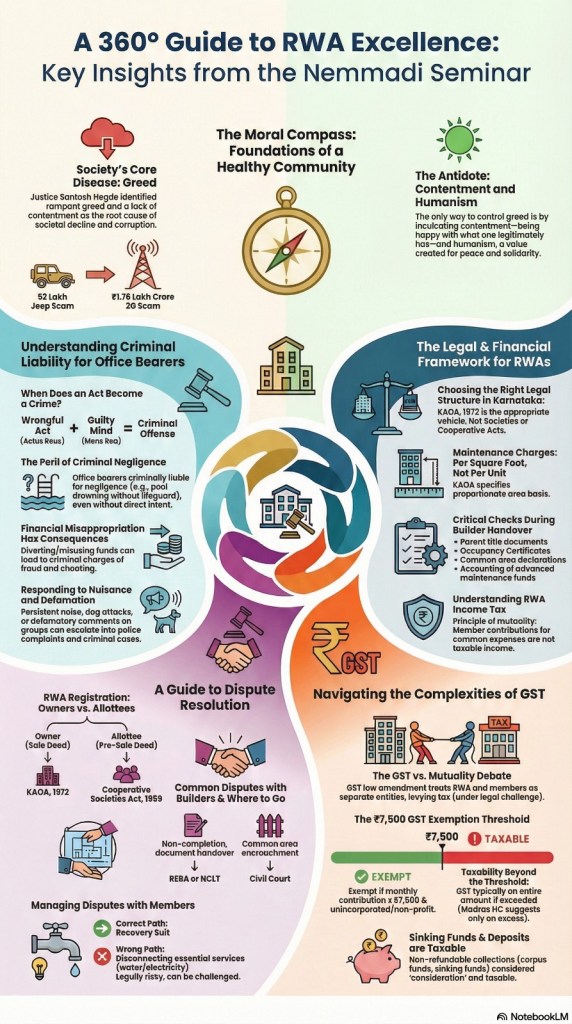
Are you part of an apartment association gearing up for the critical builder-to-RWA handover? Concerned about your personal liability as an office bearer? Confused about tax compliance and financial obligations? The RWA 360° Excellence Seminar presented by Nemmadi is your essential roadmap to navigate this complex transition with confidence, legal protection, financial clarity, and technical expertise.
The handover-takeover (HOTO) process is the most critical juncture in any residential community’s lifecycle. Yet, most apartment associations enter this phase unprepared, leading to:
- Financial Embezzlement – ₹10-50 lakhs in short-paid corpus funds, retained GST credits, loaded expenses
- Financial liabilities from undetected defects that become expensive repairs
- Tax penalties and interest from non-compliance with income tax and GST regulations
- Personal criminal liability for office bearers facing false or legitimate complaints
- Legal complications due to incomplete documentation
- Operational failures in critical building systems
- Compliance penalties from regulatory authorities (tax, environmental, municipal)
- Defamation and harassment through malicious WhatsApp groups and social media
- Resident dissatisfaction and prolonged conflicts with builders
- Financial mismanagement from lack of proper accounting systems
The Biggest Hidden Cost: Financial Embezzlement During Handover
Here’s what most RWAs don’t know: Builders routinely shortchange communities during financial handover. The most common misrepresentation include:
- Corpus fund short by ₹10-50 lakhs (claiming expenses without proof)
- GST input credit retained by builder (₹5-15 lakhs of YOUR money)
- Construction costs loaded into maintenance expenses
- Unsold apartment maintenance not paid by builder
- Interest income on deposits not transferred
- Vendor deposits and advances “forgotten”
Without a proper financial audit, you’ll never discover these issues until it’s too late.
The truth? These problems are entirely preventable with the right knowledge and preparation—exactly what this RWA seminar provides. More importantly, you’ll learn how to protect yourself personally while serving your community and how to recover every rupee your community is owed.
What You’ll Learn: A 360-Degree View of RWA Excellence
This comprehensive RWA seminar features four power-packed sessions from industry practitioners—experts who deal with these challenges daily in their professional practice. This is not academic theory; this is real-world knowledge that could save your community lakhs in costs and protect office bearers from personal liability.
TOTAL COVERAGE: 100+ specific topics across legal, financial, tax, and operational domains
NOTE: Sessions are designed to complement each other:
- Ms. Sneha’s civil law connects with Mr. Aiyappa’s criminal law on fraud/defamation
- Mr. Vishnu’s financial audit connects with Ms. Sneha’s builder dispute resolution
- All sessions integrate to provide complete protection for your community
This isn’t theory—it’s battle-tested wisdom from over a decade of conducting RWA HOTO audits for 50+ communities across India. You’ll discover:
- Critical checklists covering every aspect of the handover process
- Documentation requirements that protect your community legally and financially
- Red flags to watch for during builder handovers
- Negotiation strategies to ensure builders fulfill their obligations
- Timeline management for a smooth transition
Led by legal expert Mr. Aiyappa KG, this groundbreaking session addresses the critical but often overlooked legal vulnerabilities that RWA office bearers and communities face. This is essential knowledge that could protect you from personal liability and legal troubles.
DEFENCE: Understanding Criminal Liability
- Criminal liability of individuals, associations, and office bearers
- How to respond when you or your RWA is named in an FIR
- Dealing with government agencies and police machinery
- Understanding bail procedures and your legal options
- The “Fight or Flight” decision-making framework
- Navigating direct criminal cases before courts
- Case Studies: Real examples of criminal negligence cases, defamation in WhatsApp groups, and how innocent office bearers got entangled in legal issues
OFFENCE: When Your Community is the Victim
- How to file criminal cases through police, courts, and government agencies
- Providing effective assistance to prosecution
- Dealing with misappropriation and diversion of RWA funds
- Legal recourse for member misconduct (dog attacks, online defamation, etc.)
- Protecting community interests through proper legal channels
MISUSE OF LAW: Protecting Against Malicious Prosecution
- Identifying vengeful false prosecutions within communities
- Your rights and necessary cautions as an office bearer
- How to protect yourself from legal harassment
- Preventive measures to avoid becoming a target
Why This Session is Critical: Many well-intentioned RWA office bearers find themselves facing criminal complaints without understanding their legal exposure. This session provides the knowledge to protect yourself, your committee, and your community from legal pitfalls that could result in personal liability, reputational damage, and criminal proceedings.
Led by Ms. Sneha Nagaraj from Frontline Law Firm, this comprehensive legal session covers the critical documents you need and the disputes you’re likely to face—with practical strategies for resolution.
Part A: Legal Framework & Registration
- Current State of RWA Registration Law: Clarity on registration requirements as of today
- KAOA (Karnataka Apartment Ownership Act) vs. Cooperative Societies registration
- Pending PILs before Karnataka High Court: Understanding how ongoing litigation might affect your association
- RERA compliance and your rights as homeowners
Part B: Essential Documentation for Legal Protection
Critical documents that protect your community:
- Encumbrance certificates
- As-built drawings and approved plans
- NOCs from various authorities (fire, electricity, water, sewage)
- Completion certificates
- Occupancy certificates
- Original sale deeds and title documents
- Transfer documents for common areas and land
Part C: Understanding Common RWA Disputes
This is where theory meets reality. Ms. Sneha breaks down the three major categories of disputes that plague residential communities:
- ASSOCIATION vs. BUILDER Disputes
These are the battles you’ll likely face during and after handover:
Non-handover of Common Areas: When builders refuse to transfer ownership of clubhouse, parks, roads, or other common facilities
- Legal remedies available
- Timeline considerations and limitation periods
- Documentation required to prove ownership claims
Encroachment of Common Areas: Builder or their agents occupying community spaces
- Injunction procedures
- Criminal vs. civil remedies
- Eviction strategies
Non-transfer of Complete Land: When the builder retains portions of the land that should belong to the association
- Survey verification
- Title investigation
- Legal recourse for recovery
Non-transfer of Corpus Fund: The builder’s obligation to hand over accumulated maintenance funds
- Calculating rightful corpus amount
- Legal action for recovery
- Documentation of fund accumulation
Incomplete/Non-delivery of Promised Amenities: Swimming pool, gym, clubhouse not delivered as advertised
- RERA complaint procedures
- Consumer court remedies
- Specific performance suits
Incorrect Undivided Share Calculation: Errors in calculating each owner’s share in common areas
- How UDS is calculated
- Identifying calculation errors
- Legal correction procedures
- ASSOCIATION vs. MEMBER Disputes
Internal conflicts that test your governance:
Maintenance Charges – Recovery of Arrears: Legal procedures for collecting unpaid dues
- Notice requirements
- Interest and penalty enforcement
- Small cause court procedures
- Lien on property
Disrupting Essential Services: Members who interfere with water, power, security systems
- Injunction relief
- Damages claims
- Enforcement mechanisms
Unlawful Removal from Membership: Procedural requirements for membership termination
- Due process requirements
- Natural justice principles
- Appeal mechanisms
Encroachment of Common Area by a Member: When a flat owner illegally occupies corridors, terraces, or parking
- Restoration orders
- Demolition procedures
- Penalty enforcement
- MEMBER vs. ASSOCIATION Disputes
When residents challenge the management:
Challenging Board Resolutions: Residents contesting decisions on rule changes, expenditures, or policies
- Valid grounds for challenge
- Procedural requirements for passing resolutions
- Quorum and voting requirements
Election Process Violations: Disputes over election procedures and bye-law compliance
- Election dispute resolution
- Court intervention criteria
- Interim management orders
Fraud and Misappropriation of Association Money: The most serious allegation
- Links to Criminal Law (connects with Mr. Aiyappa’s session)
- Investigation procedures
- Evidence collection and documentation
- Civil recovery alongside criminal prosecution
- Personal liability of office bearers
Defamation: False statements damaging reputation of office bearers or members
- Links to Criminal Law (connects with Mr. Aiyappa’s session)
- WhatsApp group defamation cases
- Social media liability
- Civil damages vs. criminal prosecution
- Defense strategies
Why This Session is Critical: Ms. Sneha’s session provides the legal roadmap for every dispute scenario you’re likely to encounter. Understanding your legal position BEFORE conflicts escalate can save lakhs in legal fees and years of litigation. More importantly, you’ll learn when to negotiate, when to litigate, and how to protect your association’s interests while minimising personal exposure.
CRITICAL INTEGRATION: Ms. Sneha’s session on fraud/misappropriation and defamation disputes connects directly with Mr. Aiyappa KG’s criminal law session (Session 2). You’ll learn both the civil remedies (recovery of money, damages, injunctions) AND the criminal prosecution strategies (FIR, bail, court procedures) for these serious offenses. This integrated approach gives you the complete legal toolkit—civil AND criminal—for protecting your community and yourself.
Led by Mr. Vishnu Moorthi H, FCA, a practicing Chartered Accountant since 1991 who specialises in association law, taxation, and financial audits. This is the most comprehensive session on RWA financial management you’ll ever attend—covering everything from formation to ongoing operations.
SECTION A: GENERAL AND CONSTITUTIONAL ASPECTS
Understanding the foundation before you build:
Constitution of the Association:
- Society registration vs. Registration of Bye-Laws with Sub-Registrar
- Procedural differentiation: How the processes differ
- Legal differentiation: What each structure means for liability, taxation, governance
- Current status of law regarding formation of associations (including pending PILs)
Objects of the Association:
- Nature of activities an association can undertake
- Permitted vs. prohibited activities
- Impact on tax exemptions and compliance
Obligations if Registered as a Society:
- Annual filing requirements with Registrar of Societies
- Audit obligations
- Governance compliance
- Reporting and transparency requirements
SECTION B: DEVELOPER AND ASSOCIATION – THE CRITICAL TRANSITION
Where most financial problems originate:
Initial Formation and Developer Obligations:
- Developer’s legal obligation to form the association
- Timeline requirements
- Penalties for non-compliance
RERA Provisions Regarding Formation:
- What RERA mandates for association formation
- Developer’s obligations under RERA
- Your rights as homebuyers
Registration as Part of Deed of Declaration:
- Legal validity of this registration method
- Pros and cons vs. traditional society registration
- Impact on governance and compliance
Collection of Advance Maintenance Charges:
- Is the builder authorised to collect?
- How should these funds be used?
- What happens to unutilised amounts?
- GST implications (covered in depth in Section E)
Handover of Maintenance Works:
- When should the handover happen?
- What must the builder transfer?
- Documentation requirements
Critical Aspects While Taking Over Maintenance:
FINANCIAL AUDIT – WHAT EVERY RWA MUST VERIFY:
This is where Mr. Vishnu’s unique expertise becomes invaluable:
a) Background Verification:
- Agreement clause verification for maintenance charges
- Method of charging: at cost vs. cost plus
- Commencement date verification
- Unsold apartment maintenance treatment
- Multi-phase allocation methodology
b) Receipts and Collections Audit:
- ALL maintenance charges collected (customer-wise)
- Corpus fund contributions verification
- Bank deposit reconciliation
- Interest income verification
- Other incidental receipts
c) Payments and Expenditures Examination:
- Common area maintenance expenses
- Utility bills verification
- Staff wages and statutory compliance
- Vendor services and contracts
- Red Flag Check: Were project funds diverted?
- Red Flag Check: Were construction costs loaded into maintenance?
d) Bank and Fund Balances:
- Bank statement verification and reconciliation
- Maintenance fund position
- Corpus fund position (the most common embezzlement point)
- Fixed deposits and interest accrual
e) GST Input Credit – The Hidden Money:
- Has the builder taken GST input credit on maintenance expenses?
- That credit MUST be returned to association (typically ₹5-15 lakhs)
- Customer-wise GST statement verification
- Recovery procedures
f) Outstanding Liabilities:
- Vendor balances payable
- Dues receivable from residents
- Statutory liabilities (PF, ESI, TDS)
- Security deposits
g) Audit Report Requirements:
- Fund positions, reconciliations, and customer-wise collections
- Expense analysis, net amount due
- Key observations and recommendations
SECTION C: MANAGEMENT OF THE ASSOCIATION
Operational excellence from day one:
Constitution of Committee and Election of Office Bearers:
- Legal requirements for committee composition
- Election procedures and validity
- Nomination vs. election
- Term limits and rotation
Quorum Aspects of Valid Meetings:
- What constitutes a valid quorum?
- Consequences of inquorate meetings
- Notice requirements
- Resolution passing procedures
Obligations of Committee Members:
- Fiduciary duties
- Personal liability concerns (links to Mr. Aiyappa’s criminal law session)
- Duty of care and due diligence
- Conflict of interest management
Internal Controls in Management:
- Segregation of duties
- Approval hierarchies
- Documentation requirements
- Audit trails
Bank Account Operation:
- Signatory requirements
- Dual authorisation best practices
- Online banking security
- Transition from builder’s accounts
Insurance of Assets:
- What must be insured?
- Building insurance requirements
- Public liability insurance
- Directors & Officers (D&O) insurance for committee members
- Employee insurance obligations
AMCs of Assets:
- Annual Maintenance Contracts for lifts, fire systems, STP, WTP, etc.
- Vendor selection and evaluation
- Contract management
- Performance monitoring
SECTION D: VARIOUS OTHER LEGAL COMPLIANCES
The compliance checklist every RWA must maintain:
Registration with GST:
- When is registration mandatory?
- Threshold limits
- Voluntary registration benefits
- Composition scheme eligibility
Payment of Professional Tax:
- Registration requirements
- Payment obligations
- Penalties for non-compliance
Registration as an Employer:
- PF registration (if employing staff)
- ESI registration requirements
- Shops & Establishments Act registration
- State-specific labor law compliance
TAN (Tax Deduction Account Number):
- When is TAN required?
- TDS obligations for associations
- Filing requirements
- Penalties for non-compliance
PAN (Permanent Account Number):
- PAN application for associations
- Using PAN for bank accounts and compliance
- Linking with TAN for TDS returns
SECTION E: GST – THE COMPLETE PICTURE
GST is the most complex and most expensive compliance mistake. Mr. Vishnu breaks it down systematically:
Developer-Related GST Issues:
GST Payable by Developer:
- On construction services
- On maintenance charges collected pre-handover
GST on Unutilised Amount Received from Developer:
- Treatment of corpus fund handover
- GST implications of unspent maintenance
Input Credit to Developer:
- Developer’s right to claim input credit
- Your right to recover that credit (₹5-15 lakhs typically)
- Calculation and verification methodology
GST on Sinking Fund Collection by Developer:
- Is it taxable?
- Treatment at handover
Developer Exemption on Maintenance Charges:
- Conditions for exemption
- When a developer must charge GST
- Impact on your recovery rights
Association’s GST Obligations:
GST Exemption on Maintenance Charges:
- Conditions for exemption
- RWA services vs. commercial services
- Documentation to prove exemption
GST on Other Charges Collected:
- Club membership fees
- Amenity charges
- Event charges
- Rent from commercial spaces
GST on Sinking Fund:
- Taxability analysis
- Corpus fund vs. sinking fund treatment
GST on Repairs and Other Fund Collection:
- Special assessment charges
- One-time levy for major repairs
- Treatment of capital expenditure funds
Specific Charges – GST Treatment:
- Shifting charges (relocation charges for flat modifications)
- Facility usage charges (clubhouse, party hall)
- Rent from letting out community spaces
- Late payment charges and interest
Reverse Charge GST:
- Applicability on legal charges
- Advocate fees and legal services
- Other specified services under reverse charge
- How to comply and pay
Input Credit Restrictions:
- Can associations claim input credit?
- Restrictions on insurance premium ITC
- Other common ITC denial scenarios
Disallowance of ITC – Exempt Income:
- Impact of earning interest income (exempt)
- Proportionate ITC disallowance calculation
- Maintaining separate accounts
Religious and Charitable Activities:
- GST on collections for festivals, charity
- Exemptions available
- Documentation and compliance
SECTION F: INCOME TAX – MASTERING MUTUALITY
Income tax for associations is counterintuitive. Mr. Vishnu explains it clearly:
Concept of Mutuality:
- What is mutuality principle?
- How it provides tax exemption
- When mutuality breaks down
Surplus in Maintenance Charges:
- Is surplus taxable?
- Mutuality principle application
- Intent vs. outcome analysis
Other Income from Members:
- Shifting charges collected from members
- Damages recovered from members
- Facility usage charges (clubhouse, party hall)
- Are these mutual receipts or business income?
Interest Income:
- Always taxable (mutuality doesn’t apply)
- Tax rate applicable
- Impact on ITC claims (GST)
Delayed Payment Charges:
- Taxability analysis
- Distinction from interest
Rate of Tax on Associations:
- Standard tax rates
- Surcharge and cess
Basic Exemption Availability:
- Is ₹2.5 lakh exemption available?
- Conditions and criteria
Slab Rates Applicability:
- Can associations use slab rates like individuals?
- Or flat rate regime?
Maximum Marginal Rate:
- When does MMR apply?
- Circumstances triggering MMR
- How to avoid it
Rate of Tax for Co-operative Societies:
- Special rates for registered societies
- Comparison with other association structures
- Benefits of co-operative registration
Annual Filing Obligations:
- Income tax return filing
- Registrar of Societies filing (if society)
- Audit requirements under Section 44AB
- Due dates and penalties
Religious and Charitable Activities:
- Can associations undertake these?
- Tax implications
- Section 80G and 12A registrations
- Restrictions and compliance
TDS Obligations:
- When must associations deduct TDS?
- Vendor payments requiring TDS
- Interest payments to members
- Professional fees
- Rent payments
- Compliance and filing requirements
SECTION G: ACCOUNTING AND OTHER GENERAL ASPECTS
Practical operational matters:
Software Solutions:
- Recommended accounting software for RWAs
- Features to look for
- Cloud-based vs. on-premise
Separate Software for Invoicing and Collections:
- Why do separate systems help
- Integration considerations
- Resident portal solutions
Administration Software:
- Visitor management systems
- Complaint management
- Facility booking systems
- Digital notice boards
Charitable Activities by Association:
- Legal permissibility
- Funding mechanisms
- Tax implications (covered in Section F)
- Governance and transparency
Pets and Association:
- Legal status of pet regulations
- Bye-law provisions
- Enforcement challenges
- Balancing resident rights
Defaults of Members:
- Maintenance arrears management
- Legal remedies (links to Ms. Sneha’s session)
- Recovery procedures
- Interest and penalty calculations
- Lien on property
WHY THIS SESSION IS CRITICAL:
Mr. Vishnu’s session is not just about compliance—it’s about avoiding the expensive mistakes that most RWAs make:
Common Costly Mistakes This Session Prevents:
- Financial Embezzlement During Handover: ₹10-50 lakhs in corpus shortfall + ₹5-15 lakhs in retained GST credit
- Wrong GST Registration: Unnecessary annual compliance cost of ₹25,000-1 lakh
- Income Tax Penalties: ₹50,000-2 lakhs for non-filing or wrong filing
- TDS Non-Compliance: 1% per month interest + penalties on vendor payments
- Professional Tax Penalties: ₹5,000-25,000 for non-registration/payment
- PF/ESI Violations: ₹50,000-5 lakhs penalties + personal liability for committee members
- Lost GST Input Credit: ₹10,000-50,000 annually on eligible purchases
- Mutuality Concept Misunderstood: Paying unnecessary tax on maintenance surplus
Real-World Value:
Communities that implement Mr. Vishnu’s framework report:
- ₹26.7 lakhs recovered in financial audit (₹18L corpus + ₹8.7L GST credit)
- ₹12 lakhs saved by avoiding unnecessary GST registration
- ₹75,000 saved annually by properly claiming input credit
- Zero tax penalties through a proper compliance structure
Mr. Vishnu’s 30+ years of experience distill complex tax law and financial management into actionable systems that protect your community financially and legally.
Comprehensive Coverage: What Makes This RWA Seminar Unique
100+ Specific Topics Across 4 Expert Sessions:
- Technical audit methodology
- Civil, MEP, and documentation verification
- Red flags and defect identification
- Defence: Criminal liability, FIRs, bail procedures
- Offence: Filing cases, fund misappropriation
- Misuse of Law: False prosecution protection
- Association vs. Builder (6 dispute categories)
- Association vs. Member (4 dispute types)
- Member vs. Association (4 dispute scenarios)
- KAOA, RERA, documentation requirements

- Constitutional aspects (5 topics)
- Developer transition (7 topics + complete audit)
- Management operations (7 topics)
- Legal compliances (5 topics)
- GST framework (14 specific topics)
- Income Tax (13 specific topics)
- Accounting & operations (7 topics)
No other RWA seminar in India offers this depth and breadth of coverage.
The Nemmadi Difference: Why Trust Matters
Proven Track Record
- 10+ years of Nemmadi’s experience
- 50+ RWA HOTO audits completed successfully
- Decade of expertise in home inspections and property audits
- Trusted by leading communities across Bangalore, Hyderabad, Chennai, and Noida
Comprehensive Approach
Unlike typical inspections, Nemmadi’s audits go beyond surface-level checks:
- Technical analysis based on Statutory mandates and BIS standards
- Multi-disciplinary team of civil, electrical, and mechanical engineers
- Advanced diagnostic equipment
- Detailed documentation with actionable recommendations
- Follow-up support and verification audits
Real Results
Communities that have engaged Nemmadi report:
- Identification of defects worth lakhs that builders were required to fix
- Prevention of future maintenance crises
- Significant cost savings through early detection
- Enhanced resident confidence and satisfaction
- Smoother operational management post-handover
Exclusive Bonus: The RWA HOTO & MANAGEMENT HANDBOOK
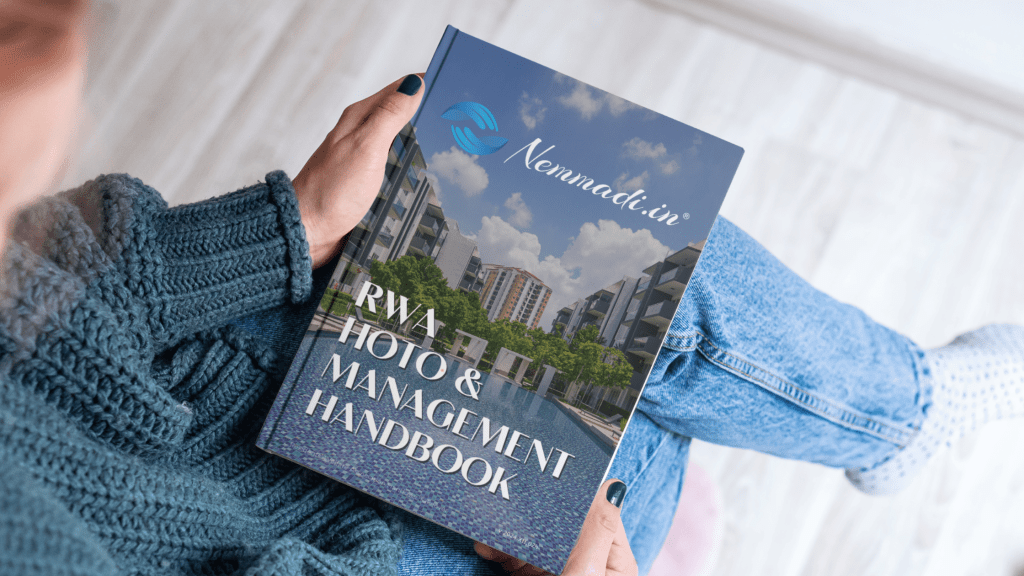
RWA Seminar attendees gain insights that complement the comprehensive 80+ page RWA HOTO & Management Handbook (launched January 1, 2025), available in premium print and searchable digital formats.
This handbook includes:
- Step-by-step checklists for every handover stage
- Legal document templates customised for Indian RWAs
- Emergency response frameworks for unforeseen challenges
- Operational excellence guidelines for long-term management
- Cost optimisation strategies to maximise community budgets
Who Should Attend?
This RWA seminar is essential for:
✅ RWA Management Committee Members (Presidents, Secretaries, Treasurers)
✅ Apartment Owners preparing for builder handover
✅ Property Managers and Facility Managers
✅ Builder Representatives committed to quality handovers
✅ Legal and Compliance Professionals in real estate
✅ Anyone involved in residential community governance
The ROI of Knowledge: What’s ₹1499 Compared to…
- ₹10-50 lakhs in short-paid corpus funds (the #1 financial embezzlement by builders)
- ₹5-15 lakhs in wrongfully retained GST input credit by builders
- ₹5-20 lakhs in inflated or loaded maintenance expenses
- ₹5-10 lakhs in undetected construction defects
- ₹3-15 lakhs in legal fees for builder disputes (corpus fund, common area, amenities)
- ₹1-5 lakhs in legal costs for maintenance recovery from defaulting members
- Personal criminal liability as an office bearer (priceless protection)
- ₹2-5 lakhs in legal fees fighting malicious complaints
- ₹50,000-2 lakhs in tax penalties and interest for non-compliance
- ₹25,000-1 lakh annually in unnecessary GST compliance costs
- ₹2-8 lakhs in legal fees for defamation and embezzlement cases
REAL-WORLD EXAMPLE: One community that attended this RWA seminar conducted a financial audit based on Mr. Vishnu’s framework and recovered ₹26.7 lakhs (₹18L corpus + ₹8.7L GST credit). Another caught ₹12 lakhs in loaded construction costs. The RWA seminar fee is negligible—one financial audit based on this knowledge can recover 1000x the investment.
What Past Attendees Say
“Ms. Sneha’s breakdown of Association vs. Builder disputes was a game-changer. We were about to accept a handover without the corpus fund—her session taught us how to legally demand it and we recovered ₹12 lakhs!” — RWA President, Bangalore
“The legal session with Mr. Aiyappa was eye-opening. I had no idea how much personal liability I was exposed to as an office bearer. This knowledge is invaluable for anyone in RWA management.” — Management Committee Secretary, Bangalore
“Understanding the three types of disputes (Association vs. Builder, Association vs. Member, Member vs. Association) gave us a complete framework for handling conflicts. We now know when to send a legal notice vs. when to negotiate.” — Legal Committee Member, Chennai
“Mr. Vishnu’s financial audit session was the most valuable part of the RWA seminar. We discovered our builder had retained ₹8.7 lakhs in GST input credit and the corpus fund was short by ₹18 lakhs. Without this knowledge, we would have accepted the handover blindly. The audit he recommended recovered ₹26.7 lakhs for our community!” — Treasurer, Whitefield Community
“The systematic approach to verifying builder accounts that Mr. Vishnu explained saved us from accepting inflated maintenance expenses. The builder had loaded construction costs into maintenance—we caught it and got a ₹12 lakh adjustment.” — RWA President, HSR Layout
“Nemmadi’s practical approach to the handover process gave us the confidence to negotiate properly with our builder. We identified 147 high priority defects during the audit that are now being corrected before handover. The ₹1000 investment saved us lakhs.” — RWA President, Case Study Community
“The criminal law session alone was worth attending. Understanding how to protect ourselves from false complaints and malicious prosecution is something every RWA office bearer needs to know.” — Committee Member, Hyderabad Community
Meet Your Expert Practitioners – Not Lecturers, But Seasoned Professionals
What sets this seminar apart is that you’ll learn from practitioners, not academic lecturers. These are professionals who deal with real-world RWA challenges daily—in courtrooms, audit sites, tax tribunals, and community management scenarios. Their insights come from decades of hands-on experience solving the exact problems you face.
Mr. Vishnu Moorthi H – Founding Partner, Vishnu Daya & Co LLP

Tax & Financial Compliance Expert
Mr. Vishnu has been practicing since 1991 and formed a partnership with his younger brother Mr. Dayananda in 1999. He brings over three decades of practical experience in:
- Income Tax, including International taxation
- GST, Sales Tax, VAT, FEMA
- Mergers and acquisitions
- Due diligence for RWAs and associations
Credentials & Recognition:
- Faculty member on Taxation at The Institute of Chartered Accountants of India
- Regular lecturer at RWA seminars and conferences across India
- Contributes articles to Economic Times
- Replies to direct tax questions in Kannada Prabha
- Member of FKCCI Taxation Committee (6+ years)
- Member of Committee for Study on Transfer Pricing constituted by the Institute of Chartered Accountants
- Has given lectures on FERA/FEMA to tax department training institutes
- Widely traveled abroad on international assignments
Special Topics Covered at RWA 360° Excellence Seminar:
Mr. Vishnu’s session is the most comprehensive financial and compliance training for RWAs, covering 7 major sections with 60+ specific topics:
Constitution & Formation:
- Society vs. Bye-law registration
- RERA provisions for association formation
- Current legal status and pending PILs
Developer & Association Transition:
- Complete financial handover audit methodology
- Corpus fund verification (preventing ₹10-50L shortfalls)
- GST input credit recovery (₹5-15L typically)
- Advance maintenance charges treatment
Management & Operations:
- Committee constitution and elections
- Internal controls and bank operations
- Insurance requirements
- AMC management
Legal Compliances:
- GST, Professional Tax, PAN, TAN registration
- Employer registration requirements
- Complete compliance checklist
GST Framework (14 specific topics):
- Developer’s GST obligations and your recovery rights
- Association’s GST exemptions and taxable services
- Input credit restrictions and disallowances
- Reverse charge mechanism
- GST on specific charges: shifting, facility usage, rent, late payment
Income Tax (13 specific topics):
- Mutuality concept and tax exemptions
- Surplus maintenance charges taxability
- Interest income taxation
- Rate of tax determination
- TDS obligations
- Religious and charitable activities
- Filing requirements
Accounting & Operations:
- Software selection and implementation
- Member default management
- Charitable activities framework
- Pet regulations
Why Mr. Vishnu’s Comprehensive Approach is Essential:
Most CAs handle individual tax topics. Mr. Vishnu provides the complete integrated framework from formation through ongoing operations—something no other expert offers.
His systematic approach has helped RWAs:
- Recover ₹26.7 lakhs in financial audit (₹18L corpus + ₹8.7L GST credit)
- Avoid ₹12 lakhs in unnecessary GST registration and compliance
- Save ₹75,000+ annually through proper input credit claims
- Eliminate tax penalties through compliant structures
- Understand the complete legal and financial landscape
Contact: Mobile – 98807-15961 | Email – Vishnu@vishnudaya.com
Mr. Aiyappa KG – Partner, One Law Advocates

Criminal Law & RWA Litigation Specialist
With over 10 years of intensive courtroom experience, Mr. Aiyappa is not an academic—he’s a battle-tested criminal law practitioner who has defended and prosecuted hundreds of cases. His expertise is particularly relevant to RWA office bearers who face unique legal vulnerabilities.
Core Expertise:
- White collar crimes and blue collar crimes
- Anti-corruption law
- Anti-drugs & narcotics cases
- Anti-sexual offences laws
- False prosecution and vengeful litigation
- Criminal trials, bail applications, and quash petitions
- Criminal complaints and writ petitions
- Cheque bounce cases
- Matrimonial disputes
- Land-related criminal cases
Philosophy & Approach: “My approach to criminal law is rooted in empathy and diligence. I understand the anxiety and uncertainty that my clients face when confronting or pressing criminal offences, and I strive to provide them with unwavering support and guidance every step of the way. I firmly believe in the mantra that a case should not be based on race or public interest, but on causes and motives.”
Mr. Aiyappa’s passion extends beyond the courtroom—he actively publishes on legal topics, networks extensively in the legal community, and believes in fostering trust and transparency through effective communication and tireless representation.
Why This Matters for RWAs: As someone who has handled complex criminal cases involving associations, community disputes, defamation, fund misappropriation, and malicious prosecution, Mr. Aiyappa brings invaluable real-world insights that can protect you from personal liability.
“When every other man turned against him, the law provides that he should have a lawyer.” – Clarence Darrow
Ms. Sneha Nagaraj – Partner, Frontline Law Partners

RWA Disputes & Association Law Specialist
Ms. Sneha specialises in residential community law, bringing extensive practical experience in RWA disputes, association governance, and property law. Her expertise spans the full spectrum of legal issues that apartment associations face—from builder disputes during handover to internal governance conflicts and member litigation.
Core Expertise:
- RWA registration under KAOA and Cooperative Societies Act
- Builder vs. Association disputes (non-handover, encroachment, corpus fund recovery)
- Association vs. Member conflicts (maintenance recovery, service disruption, encroachment)
- Member vs. Association disputes (election challenges, fraud allegations, defamation)
- RERA compliance and consumer court proceedings
- Documentation and title verification for handovers
- Drafting and enforcement of bye-laws
- Dispute resolution and litigation strategy
Why Ms. Sneha’s Session is Essential: Most RWA office bearers are completely unprepared for the legal battles they’ll face. Ms. Sneha doesn’t just explain the law—she provides the practical playbook for handling the most common disputes, including when to settle, when to fight, and how to protect your association legally and financially.
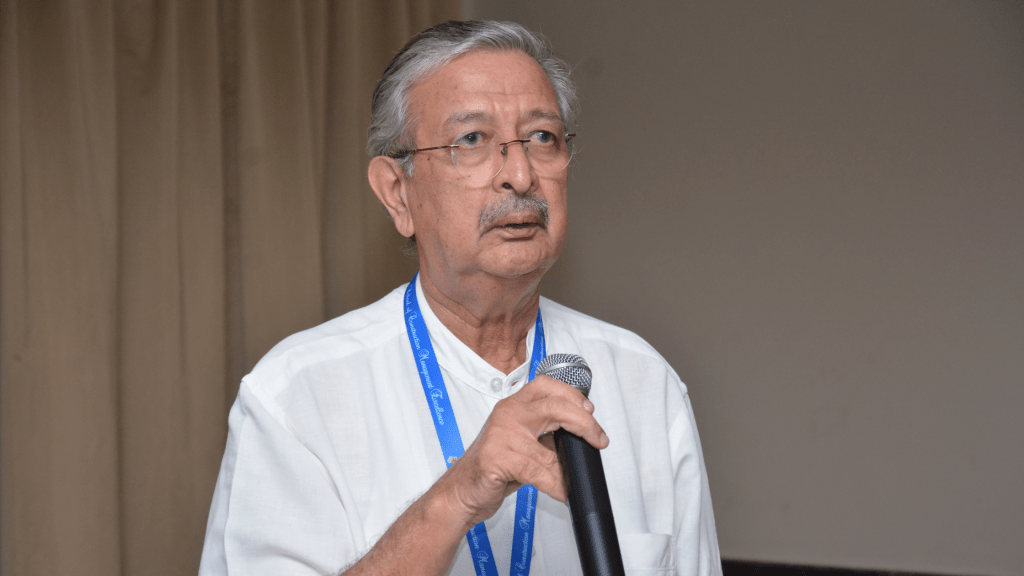
Mr. A N Prakash – Founder, Nemmadi
RWA HOTO Audit Pioneer
The visionary who pioneered comprehensive RWA HOTO audits in India. With decades of experience in property inspections and community audits, Mr. Prakash has personally overseen audits for 50+ residential communities across India, identifying critical issues that saved communities crores in potential liabilities.
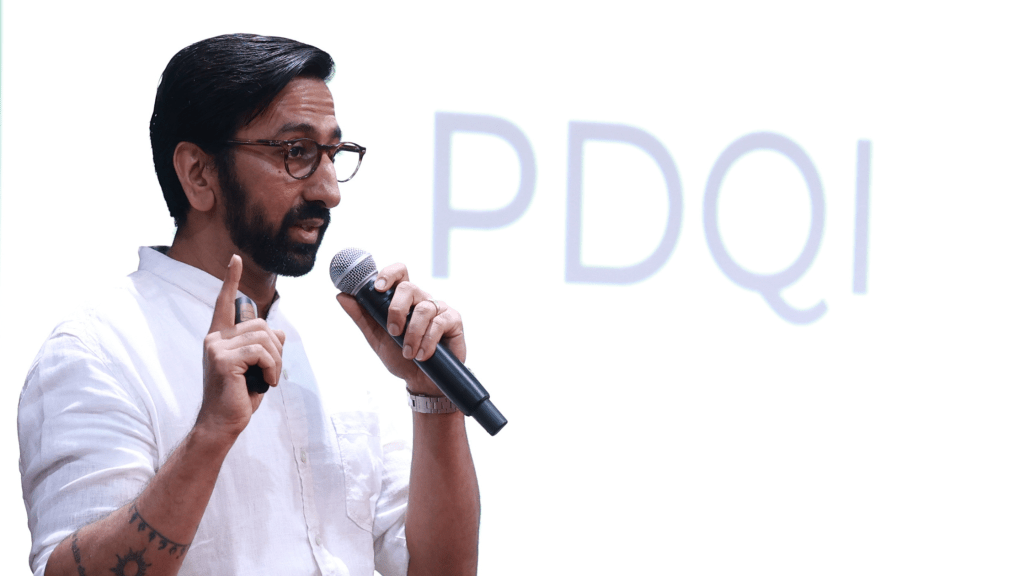
Mr. Uday S. Prakash – Co-Founder, Nemmadi
Technical Audit & Documentation Specialist
Leading Nemmadi’s technical audit division, Uday brings strategic acumen and meticulous attention to detail in MEP audits, civil inspections, and handover documentation. His comprehensive reports have become the gold standard for RWA HOTO processes.
Mr. Krishna V – CEO, Nemmadi

Field Operations & Quality Assurance
Leading on-ground audit operations, ensuring that every inspection meets the highest technical standards and delivers actionable insights to RWA management committees.
Why Practitioners Make the Difference
Academicians teach concepts; practitioners teach survival.
- Real Case Studies: These speakers share actual cases they’ve handled—the wins, the losses, and the lessons
- Practical Solutions: No textbook answers—only strategies that work in Indian courts and communities
- Current Challenges: They deal with today’s problems: WhatsApp defamation, cryptocurrency fund misappropriation, modern construction defects
- Network Value: Connect with professionals you can actually call when you face these issues
Seminar Details
Registration Fee: Early bird offer ends on 23rd Nov 2025 (Limited seats available)
Format: In-depth RWA seminar with expert presentations and Q&A
Location: Check the official website for venue and dates
Registration: https://seminar.nemmadi.in or https://nemmadi.zohobackstage.in/RWA360ExcellenceSeminar
Take Action: Your Community’s Future Depends on It
The handover-takeover phase sets the trajectory for your community’s next decade. A well-executed HOTO process means:
✅ Safe, compliant infrastructure
✅ Clear legal documentation
✅ Efficient operational systems
✅ Empowered management committees
✅ Satisfied, confident residents
✅ Long-term cost savings
Don’t leave your community’s future to chance. The knowledge gap between uninformed and educated RWAs can literally cost millions and compromise resident safety.
Registration closes soon—secure your seat now.
Additional Resources
Want to dive deeper? Nemmadi offers:
- RWA HOTO Audit Services – Comprehensive technical audits with detailed reports
- RWA HOTO Handbook – Your complete reference guide
- Follow-up Consulting – Post-handover support and verification
- Resident Education Sessions – Empowering your entire community
Visit Nemmadi.in to explore RWA HOTO services and resources.
Connect With Nemmadi
Website: nemmadi.in
RWA 360° Excellence Seminar Registration: seminar.nemmadi.in
Services: Home Inspections | RWA HOTO Audits | RWA Health Checks | Dampness Inspections
Final Thought: Peace of Mind Has a Price—₹1499
In the world of apartment management, ignorance is expensive. Education is affordable.
The RWA 360° Excellence Seminar represents more than a few hours of your time—it’s an insurance policy against costly mistakes, a toolkit for effective governance, and a network of expertise you can rely on.
Your community deserves leadership that’s informed, prepared, and confident. This RWA seminar is where that transformation begins.
Frequently Asked Questions
Q: Is this seminar only for Bangalore communities?
A: While some examples are Bangalore-specific, the principles apply pan-India. Legal frameworks may vary by state, but the handover processes and criminal law principles for RWAs are universally applicable across India.
Q: I’m worried about legal liability as an office bearer. Will this RWA seminar help?
A: Absolutely! Mr. Aiyappa KG’s session specifically addresses criminal liability concerns for office bearers, including how to protect yourself from false complaints and understand your legal rights and obligations.
Q: Our RWA is confused about GST and income tax obligations. Will this be covered?
A: Yes! Mr. Vishnu Moorthi H, a practicing CA since 1991, will cover all aspects of tax compliance for RWAs including income tax, GST, TDS, and FEMA/FERA considerations. You’ll learn exactly when you need to register, file returns, and maintain records.
Q: We’re in a dispute with our builder who won’t hand over common areas. Can this RWA seminar help?
A: Absolutely! Ms. Sneha Nagaraj’s session covers exactly this scenario—including legal remedies, documentation requirements, and litigation strategies for Association vs. Builder disputes like non-handover of common areas, corpus fund recovery, and encroachment issues.
Q: We have members who refuse to pay maintenance. What legal options do we have?
A: Ms. Sneha’s session includes a dedicated segment on maintenance recovery procedures, including notice requirements, small cause court procedures, interest enforcement, and creating liens on property. You’ll get a complete legal roadmap for arrears recovery.
Q: How do we verify if the builder is giving us the correct corpus fund amount?
A: This is EXACTLY what Mr. Vishnu Moorthi’s financial audit session covers. You’ll learn the systematic methodology to verify every rupee—from agreement clause verification to bank reconciliation to GST input credit recovery. Most RWAs lose ₹10-50 lakhs because they don’t know how to audit the builder’s accounts properly.
Q: The builder says they’ve handed over all financial records, but something feels wrong. What should we do?
A: Trust your instincts. Mr. Vishnu’s session will teach you the red flags to look for: diverted funds, loaded expenses, retained GST credits, and manipulated bank reconciliations. You’ll learn exactly which documents to demand and how to verify their authenticity. Many attendees have uncovered fraud worth lakhs using these techniques.
Q: This seems very comprehensive with 100+ topics. Do I need a financial or legal background to understand?
A: Absolutely not! All sessions are designed for non-technical, non-legal RWA committee members. Complex concepts are explained with real-world examples, case studies, and practical checklists. The speakers are practitioners who excel at making complex topics accessible. Think of it as learning from experienced friends, not professors.
Q: Can we implement everything covered in one RWA seminar?
A: The RWA seminar gives you the complete framework and knowledge. You’ll receive checklists, know what to watch for, and understand when to engage professionals for specific tasks (audits, legal notices, etc.). Think of it as your comprehensive guidebook—you’ll know what’s important, what’s urgent, and where to get help.
Q: Is this only relevant during handover, or also for established RWAs?
A: Both! If you’re pre-handover, you’ll learn how to verify everything before accepting. If you’re post-handover, you’ll learn how to:
- Audit past financial management
- Fix compliance gaps
- Implement proper systems
- Recover money if fraud is discovered
- Handle ongoing disputes and operations Many established RWAs attend to discover issues they missed and fix them before they escalate.
Q: Can I attend if our handover is years away?
A: Yes! Early education helps you monitor construction quality, ask the right questions during pre-handover inspections, and plan effectively. Many attendees use these insights during the construction phase itself.
Q: Will technical and legal jargon be explained?
A: Yes. The RWA seminar is designed for non-technical and non-legal management committee members. Complex concepts are explained clearly with real-world examples and case studies.
Q: Can I get a recording if I can’t attend live?
A: Contact Nemmadi directly for recording availability and access details.
Q: Is the ₹1499 fee per person or per community?
A: The fee is per attendee. However, bringing multiple committee members maximises value as you can divide focus areas and share learnings.
Q: What if we’re already in legal trouble as an RWA?
A: While the RWA seminar provides educational guidance, for specific ongoing legal cases, you should consult directly with Mr. Aiyappa or another qualified legal professional. The RWA seminar will, however, give you a framework for understanding your situation.
Q: What happens after the RWA seminar?
A: You’ll have access to Nemmadi’s resources, can schedule consultations, and may proceed with formal RWA HOTO audit services if needed.
Don’t wait for problems to emerge. Prevent them with knowledge. Register now for the RWA 360° Excellence Seminar.