Imagine being in a building when suddenly, an alarm rings out—a piercing sound accompanied by flashing lights. Instinctively, you know it’s a fire alarm, and it’s time to evacuate. But have you ever wondered about the systems that work tirelessly behind the scenes to detect fires early and keep you safe? These life-saving systems are not just random installations—they are designed and maintained according to Fire Protection Standards for Resident Welfare Associations, ensuring that every resident has the best possible chance of safety during emergencies.
Understanding Fire Protection standards for Resident Welfare Associations is essential, especially during the critical Handover-Takeover (HOTO) audit process. RWAs that adhere strictly to these standards can significantly improve safety and compliance within their communities.
In this blog post, we’ll break down two critical systems every building should have: Fire Protection Systems and Fire Alarm Systems. By understanding how these systems function and their essential components, you’ll appreciate their crucial role in keeping buildings—and the people inside them—safe.
Why is Fire Safety Important for RWA HOTO Audits?
During the Resident Welfare Association (RWA) Handover-Takeover (HOTO) audit process, assessing fire safety compliance is crucial. RWAs must ensure buildings meet the rigorous safety standards outlined by NBC 2016, particularly for Fire Protection and Fire Alarm Systems, to safeguard residents, reduce liabilities, and ensure smooth operations post-handover. By thoroughly understanding these systems and regulations, RWAs can identify potential risks, non-compliances, and necessary upgrades before formally accepting responsibility from developers.
What Exactly is a Fire Protection System?

A Fire Protection System encompasses all the equipment and processes designed to prevent, control, and extinguish fires while protecting life and property. These systems fall into two main categories, as detailed in NBC 2016:
Active Systems
These systems require activation or motion to function effectively. Common examples include:
- Sprinklers
- Fire hydrants
- Fire extinguishers
- Water spray systems
- Foam systems
Passive Systems
Passive systems don’t need activation; instead, they’re integrated into the building structure itself. Their role is to prevent the spread of fire and smoke through:
- Fire-rated walls
- Fire doors

- Fire partitions
- Smoke barriers
- Compartmentation (dividing buildings into fire-resistant sections)
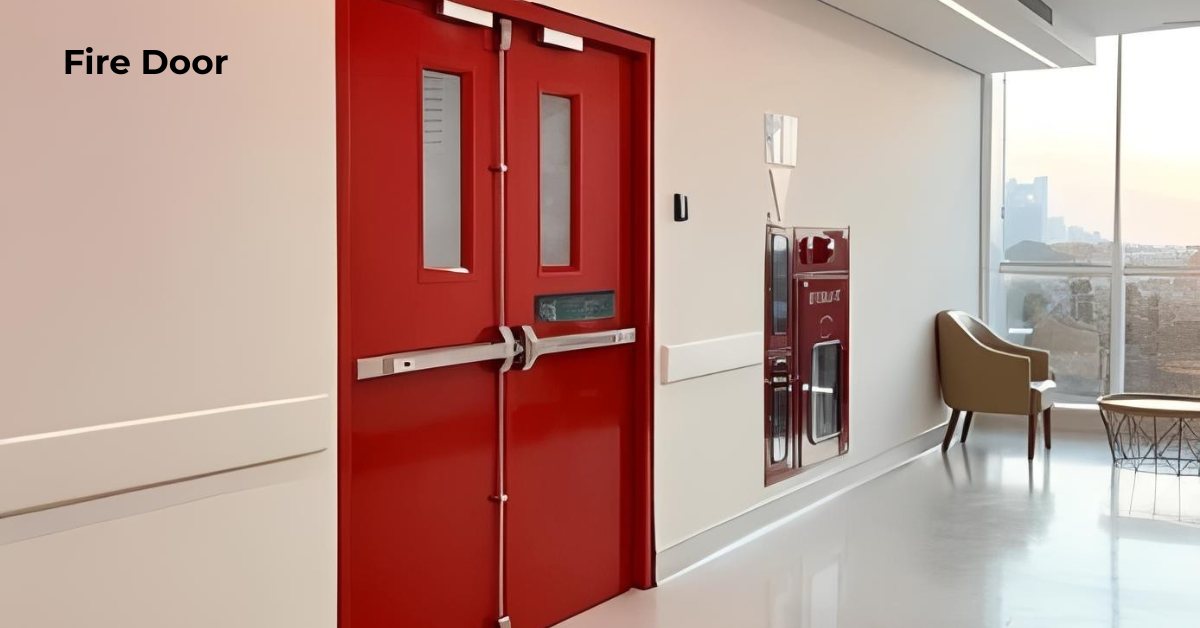
Compliance with Fire Protection standards for Resident Welfare Associations involves implementing both active and passive systems effectively. This helps ensure comprehensive fire safety during and after property handover.
Imagine passive systems as the silent guardians of a building, constantly protecting occupants by restricting fire’s movement through strategic barriers.
Unpacking the Fire Alarm System

A Fire Alarm System is a specialized part of fire protection dedicated to detecting fires quickly and alerting building occupants immediately. Its main goal, as outlined in NBC 2016, is straightforward yet critical: early detection and timely warnings, allowing everyone to escape safely before the fire spreads.
Essential components include:
- Smoke detectors
- Heat detectors
- Manual call points (fire alarm switches)
- Fire alarm control panels (FACP)
- Audible and visual alerts (sirens, buzzers, flashing lights)
Visualize the fire alarm control panel as the “brain” of the system, constantly monitoring sensors and ready to trigger alarms at the first sign of danger.
How Does NBC 2016 Classify Buildings for Fire Safety?
According to India’s National Building Code (NBC) 2016, buildings are classified based on usage to determine fire safety standards:
- Group A: Residential buildings (apartments, hotels)
- Group B: Educational buildings (schools, colleges)
- Group C: Institutional buildings (hospitals, prisons)
- Group D: Assembly buildings (cinemas, auditoriums)
- Group E: Business buildings (offices, IT parks)
- Group F: Mercantile buildings (shops, malls)
- Group G: Industrial buildings (factories)
- Group H: Storage buildings (warehouses)
- Group I: Hazardous buildings (explosive materials)
Factors Influencing Fire Protection Requirements
NBC 2016 outlines several factors impacting a building’s specific fire protection needs:
- Building occupancy type
- Building height
- Occupant load (number of people inside)
- Building area (floor space)
- Construction materials (RCC versus wood)
- Fire zone (risk level of location)
- Special use or hazardous materials stored
For RWAs, closely following Fire Protection standards for Resident Welfare Associations as outlined in NBC 2016 ensures buildings meet specific safety requirements related to occupancy, construction materials, and fire zoning.
For instance, a high-rise apartment complex requires more rigorous fire protection than a single-story storage facility.
Exploring Sprinkler Systems and Fire Fighting Equipment
Sprinkler Systems

Sprinklers are perhaps the most recognizable active fire protection equipment. These systems include water supply lines, pumps, and networks of pipes and sprinkler heads strategically placed throughout a building. Different sprinkler types—pendent, upright, sidewall, and concealed—are chosen based on the building’s layout and ceiling temperatures (NBC 2016, Part 4).
Proper installation and regular maintenance of active systems such as sprinklers, fire hydrants, and hose reels are critical elements of Fire Protection standards for Resident Welfare Associations to effectively protect residents and properties.
Fire Pumps

Pumps ensure adequate water pressure reaches sprinklers and hydrants. The system usually includes jockey pumps, main sprinkler pumps, and diesel pumps, each set to activate at specific pressure points (NBC 2016).
Fire Hose Reels and Hydrants

Fire hose reels, equipped with hoses, nozzles, and valves, provide immediate manual firefighting capability (NBC 2016). Hydrants, both internal and external, supply firefighters with critical access points to water sources during emergencies (NBC 2016).
Understanding Fire Exits and Staircase Requirements

Ensuring safe exits is essential for occupant safety, as specified in NBC 2016 Part 4:
- Occupant Load: NBC calculates occupant loads to determine exit size and number.
- Staircases: All buildings must have a minimum of two staircases constructed from non-combustible materials with at least 120 minutes of fire resistance.
- Internal Staircases: Must terminate at ground level with specific minimum widths (minimum 1.25 m for residential) and handrail requirements.
- External Staircases: Must be separate from internal staircases, lead directly outside, have at least 120 minutes of fire resistance for doorways, and not exceed a 45-degree inclination.
Passive Protection at Work
Passive fire protection is integrated into the building design itself, as mandated by NBC 2016. Fire-rated walls, doors, and compartments prevent fire and smoke from rapidly spreading, protecting escape routes and buying critical evacuation time.
Concluding Thoughts
Fire protection and alarm systems are essential for the safety of any building’s occupants and its structural integrity. Understanding these systems helps us appreciate the quiet vigilance they provide daily. Next time you hear a fire alarm during a drill or notice sprinklers overhead, you’ll know the careful thought and robust systems behind these safety features.
Consistent adherence to Fire Protection standards for Resident Welfare Associations not only facilitates a smoother RWA HOTO audit process but also safeguards lives, preserves property, and strengthens overall community resilience against fire hazards.
Stay informed, stay safe, and ensure these crucial systems are always in place and functioning correctly.