The Reality Behind Residential Handovers
When a Resident Welfare Association (RWA) prepares to take control of their community from the builder, the moment represents both celebration and responsibility. However, beneath the surface of completed construction often lie infrastructure challenges that can define the community’s future—challenges that only comprehensive technical audits can reveal.
A recent RWA HOTO audit of a multi-tower residential complex provides a stark illustration of why thorough pre-handover inspections are not just advisable, but essential for community safety and long-term viability.
Audit Methodology and Scope
This RWA HOTO audit employed a comprehensive evaluation methodology covering multiple critical areas:
Infrastructure Systems:
- Civil and structural elements across towers and basements
- External amenities, including clubhouse, amphitheatre, and landscaping
- MEP (Mechanical, Electrical, Plumbing) systems
- Fire safety and emergency response infrastructure
- Environmental compliance systems
Documentation Review:
- Statutory compliance certificates
- Operation and maintenance manuals
- As-built drawings and system documentation
- Preventive maintenance protocols
Critical Findings: A System-by-System Analysis
Structural and Civil Infrastructure Deficiencies
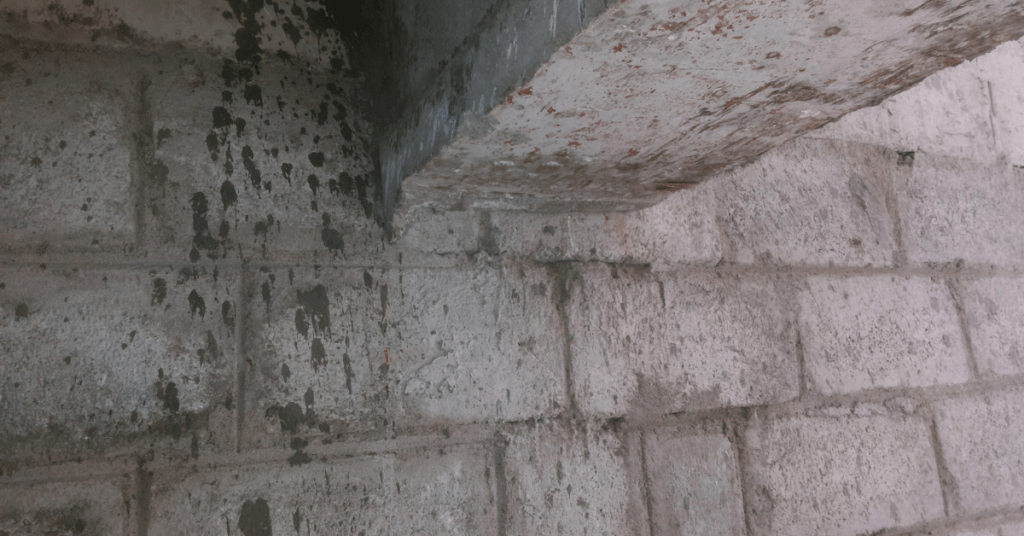
The audit revealed concerning structural issues that pose immediate and long-term risks:
Crack Formations and Structural Integrity:
- Multiple wide cracks (>2mm) and medium cracks (1-2mm) detected in ceilings and walls
- Honeycomb formations observed in critical areas, including parking zones and lift lobbies
- Structural defects indicating potential construction quality issues
Water Damage and Seepage:
- Extensive water seepage stains at basement beams and walls
- Poor waterproofing implementation is affecting building envelope integrity
- Moisture penetration in staircases and lift lobbies compromising structural durability
Safety Hazards in Common Areas:
- Chipped floor tiles are creating slip and trip hazards
- Undulations and cracks near ramps and parking areas
- Compromised walking surfaces in high-traffic zones
External Amenities: Cosmetic Issues with Safety Implications
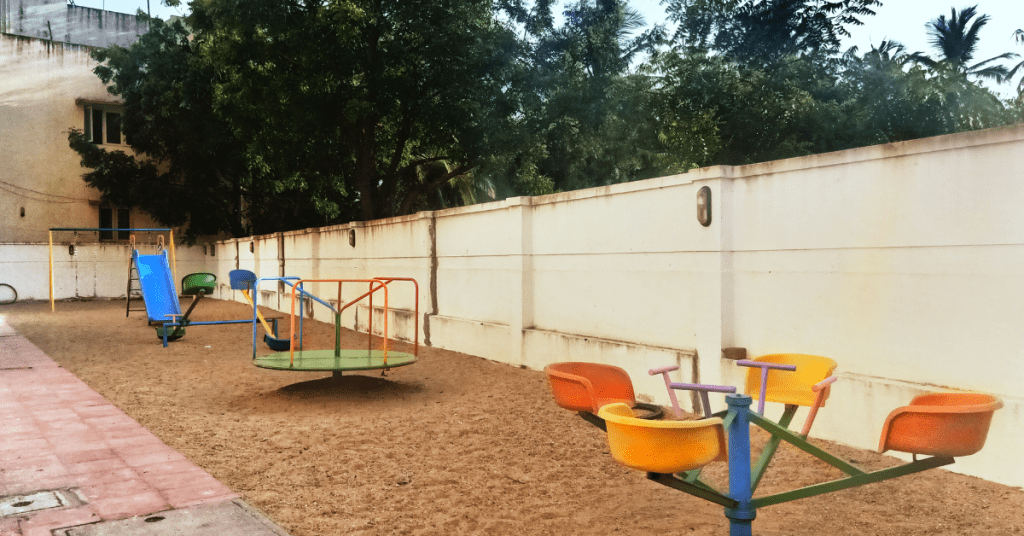
Amphitheatre Infrastructure:
- Electrical safety violations, including loose LED strips and missing cover plates
- Faulty switch connections create potential shock hazards
- Cracked flooring and inadequate joint filling are affecting user safety
Main Gate and Security Areas:
- Improperly laid pavers compromising accessibility
- Chipped finishes and flooring undulations in security checkpoints
- Substandard workmanship affects community aesthetics and functionality
Clubhouse and Common Areas:
- Wall cracks ranging from hairline to significant gaps
- Structural integrity concerns in community gathering spaces
Sewage Treatment Plant: Environmental Compliance Crisis

The STP assessment revealed systematic failures affecting environmental compliance and community health:
Water Treatment Process Failures:
- Floating debris in equalisation tanks indicating poor maintenance
- Blocked diffusers in aeration systems reduce treatment efficiency
- Malfunctioning valves are compromising process control
Operational and Training Deficiencies:
- Missing maintenance logbooks and operational records
- Operators lacking proper training on treatment processes
- Incorrect pump operations and inadequate sludge handling protocols
Environmental Violation Risks:
- MLSS (Mixed Liquor Suspended Solids) levels exceeding prescribed regulatory limits
- Treated water is discharged to drainage instead of mandated reuse systems
- Bypass of UF filtration systems compromises water quality standards
- Non-compliance with KSPCB guidelines
Safety and Accessibility Concerns:
- Critical pumps and tanks are positioned in non-accessible locations
- Unsafe conditions for routine maintenance and inspections
- Emergency response capabilities compromised by design flaws
Electrical and Automation System Failures

Automation Breakdowns:
- Ventilation and fresh-air fans are operating in manual mode instead of automatic
- Exhaust fan systems tripped and are non-functional
- STP automation systems are not operating in the required auto mode
Safety Standard Violations:
- Earth strip joints failing to meet IS (Indian Standards) specifications
- UV filter failures are creating water quality risks
- Missing standby pumps eliminates system redundancy
Operational Reliability Issues:
- Incomplete automation for critical pumps and blowers
- Manual intervention required for systems designed for automatic operation
Fire Safety: Critical Life Safety Deficiencies

Fire Detection and Alarm Failures:
- Device loops disconnected in fire alarm panels
- Missing zone addresses are preventing proper emergency response
- Flow switches are failing to trigger alarms during system activation
- Non-compliance with fire safety guidelines
Sprinkler and Suppression System Compromises:
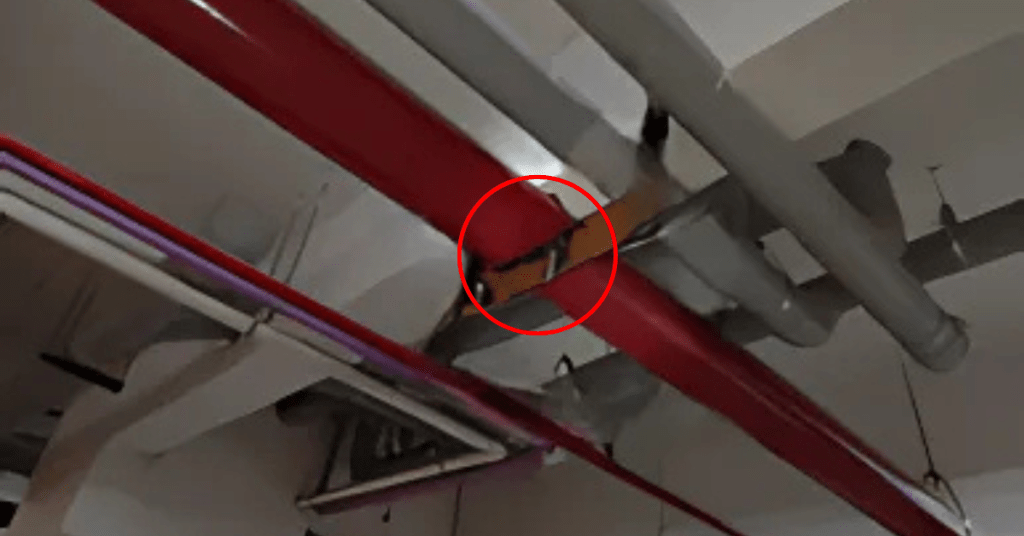
- Sprinklers blocked by pipelines, signage, and plumbing installations
- Fire coverage is compromised in the basement and ramp areas
- Systematic obstruction of fire suppression infrastructure
Emergency Response Infrastructure Gaps:
- Fire-rated doors are missing in critical areas like electrical panel rooms
- Hose reels not positioned according to safety norms (8-metre spacing requirements)
- Reduced fire safety coverage in emergency situations
Documentation and Compliance Gaps
Missing Critical Documentation:
- Operation and maintenance manuals are absent for key systems
- Incomplete statutory certificates including lift safety and fire NOCs
- Missing electrical clearances and water quality test reports
Technical Drawing Deficiencies:
- Updated single-line diagrams not provided
- As-built drawings are inconsistent with actual installations
- Service drawings are missing for critical systems
Risk Assessment and Priority Classification
High Priority Issues Requiring Immediate Action
Life Safety Risks:
- Structural cracks and honeycomb formations
- Fire safety system failures and detection gaps
- STP process lapses affecting environmental compliance
Regulatory Compliance Threats:
- Environmental violation risks from STP operations
- Fire safety non-compliance exposing legal liability
- Missing statutory approvals and certifications
Medium Priority Infrastructure Concerns
Operational Efficiency Issues:
- Electrical workmanship errors affecting system reliability
- Automation failures requiring manual intervention
- Moderate structural defects affecting long-term durability
Lower Priority Maintenance Items

Aesthetic and Minor Functional Issues:
- Wall staining and cleaning requirements
- Minor shutter adjustments and cosmetic repairs
- Non-critical finishing work completion
Strategic Recommendations for RWA Action
Immediate Safety and Compliance Interventions
Structural Remediation:
- Conduct a detailed structural engineering assessment of all crack formations
- Implement comprehensive waterproofing solutions to prevent further moisture damage
- Repair honeycomb formations and ensure structural integrity certification
Environmental Compliance Restoration:
- Reinstate proper UF filtration processes and water quality protocols
- Retrain STP operators and establish proper maintenance documentation
- Ensure treated water reuse complies with pollution control board requirements
Fire Safety System Overhaul:
- Connect all fire alarm device loops and establish proper zone addressing
- Remove all sprinkler obstructions and ensure full fire coverage
- Install missing fire-rated doors and reposition safety equipment to code
Automation and Infrastructure Upgrades
System Automation Implementation:
- Upgrade STP and ventilation systems to full automatic operation
- Install standby pumps and backup systems for critical infrastructure
- Implement electrical safety corrections and standard compliance
Documentation and Training Programmes:
- Secure all missing operation manuals and statutory clearances
- Establish comprehensive preventive maintenance schedules
- Conduct training workshops for RWA representatives and facility staff
Long-term Community Preparedness
Emergency Response Capability:
- Implement mock drills for fire and emergency situations
- Establish emergency response protocols and communication systems
- Train residents in basic safety procedures and emergency contacts
Financial and Legal Implications
Cost Mitigation Strategies
Builder Negotiation Leverage:
- Use audit findings to negotiate correction responsibilities
- Establish clear timelines for deficiency remediation
- Secure warranties and extended support commitments
RWA Budget Planning:
- Allocate emergency funds for critical safety corrections
- Plan for ongoing compliance and maintenance costs
- Consider professional facility management service engagement
Legal Risk Management
Liability Protection:
- Ensure all statutory approvals before final handover acceptance
- Document all identified deficiencies for future reference
- Establish clear accountability for the correction of builder-responsibility items
- Understand your legal rights under Karnataka’s framework
Lessons for the RWA Community
The Critical Importance of Independent Assessment
This RWA HOTO audit demonstrates that aesthetic completion does not guarantee functional readiness or safety compliance. For additional insights on comprehensive HOTO processes, refer to our detailed case study from another residential complex. The extensive list of hidden deficiencies—from structural integrity concerns to life safety system failures—illustrates why independent technical evaluation is indispensable.
Beyond Handover: Building Community Resilience
Professional Infrastructure Management:
- Engage qualified facility management professionals
- Establish robust maintenance contracts for critical systems
- Implement regular audits and inspection schedules
Resident Education and Engagement:
- Educate community members on infrastructure systems and safety protocols
- Establish transparent communication about building conditions and maintenance needs
- Learn about proper RWA formation and governance structures
- Create resident committees focused on safety and compliance oversight
Regulatory Compliance as Community Protection
The environmental and safety violations discovered highlight how compliance gaps expose entire communities to legal, financial, and health risks. Proactive compliance management protects both individual residents and community assets.
Conclusion: Transforming Handover Challenges into Community Strength
This comprehensive RWA HOTO audit reveals the complex reality behind residential community handovers. While the extensive list of deficiencies might seem daunting, it actually represents an opportunity—the chance to address systemic issues before they become community-wide problems, and to establish the foundation for professional, safety-focused community management.
The RWA that invests in thorough pre-handover assessment and systematic remediation creates several lasting benefits:
Enhanced Community Safety: Addressing fire safety, structural, and environmental issues before they become emergencies protects residents and property values.
Regulatory Compliance: Ensuring all systems meet current standards prevents future penalties and legal complications.
Operational Efficiency: Properly functioning automated systems reduce ongoing maintenance costs and improve reliability.
Community Confidence: Transparent handling of infrastructure challenges builds trust between RWA leadership and residents.
Long-term Value Protection: Professional infrastructure management preserves and enhances property values over time.
The path from builder handover to successful community self-governance requires more than legal formalities—it demands technical expertise, financial planning, and commitment to safety standards. Communities that approach this transition with comprehensive assessment and professional remediation create the foundation for decades of successful residential community management.
In essence, a thorough RWA HOTO audit transforms what could be years of hidden problems into immediate, manageable challenges with clear solutions. The investment in professional assessment and systematic remediation pays dividends in community safety, regulatory compliance, and long-term residential satisfaction.
This case study emphasises the critical role of comprehensive technical assessment in protecting RWA communities during the builder handover process, providing a roadmap for effective infrastructure evaluation and remediation planning.