
Dampness in buildings is one of the most common problems faced by homeowners worldwide. If you’ve noticed wet patches on your walls, peeling paint, or a musty smell in your home, you’re dealing with dampness. This guide will help you understand everything about dampness and how to fix it permanently.
What is Dampness? Why Should You Care?
Dampness in buildings means unwanted water or moisture in your walls, floors, or ceilings. It’s not just about ugly stains on your walls—it’s a serious problem that affects your home in multiple ways:
- Damages your building’s structure and reduces its lifespan
- Creates health problems like asthma and allergies, especially in children and elderly
- Lowers your property’s value significantly
- Damages furniture, clothes, and electronics
- Creates bad smell and uncomfortable living conditions
- Leads to costly repairs if ignored
The good news? Dampness can be fixed permanently when you understand its causes and use the right solutions.
Types of Dampness: Which One is Affecting Your Home?
Dampness appears in different forms, and identifying your type helps in finding the right solution.
Rising Damp occurs when water comes up from the ground through your walls. This usually affects walls up to 1 meter from the floor, is common in ground floor rooms, and creates a visible tide mark line on walls where the moisture stops rising.
Penetrating Damp happens when water enters through cracks in walls, roof, or windows. It gets worse during rains and creates damp patches that appear and disappear with weather changes. This type is often caused by broken gutters, damaged roof tiles, or cracks in external walls.
Condensation Damp forms when warm, moist air meets cold surfaces in your home. It’s most common in bathrooms, kitchens, and bedrooms where you’ll see water droplets on walls, windows, or ceilings. This problem gets worse in winter or during monsoons when temperature differences are greatest.
What Causes Dampness in Your Home?
Understanding the cause is half the battle won. Dampness doesn’t just happen—there are specific reasons behind it.
Poor construction quality is one of the biggest culprits. When buildings are constructed without proper damp-proof courses (DPC) or with cheap waterproofing materials, moisture problems start from day one. Builders who take shortcuts during construction or use poor quality cement and sand create homes that are vulnerable to dampness from the beginning.
Structural problems develop over time and create pathways for water to enter your home. Cracks in walls or foundations, broken or missing roof tiles, damaged gutters and downpipes, and leaking pipes inside walls all allow water to penetrate. Even small cracks in window seals can let water seep in during heavy rains.
Weather and environmental factors play a significant role in any climate. Heavy monsoon rains, high humidity areas, and homes that don’t get enough sunlight are more prone to dampness. If you live near the sea, the salt in the air actually attracts moisture, making the problem worse. Poor drainage around your building means water accumulates near walls and eventually finds its way inside.
Design issues create dampness problems that could have been avoided. Bathrooms constructed without proper waterproofing, kitchens without exhaust fans, and basements built below water level without adequate protection are examples of design-related dampness. Poor ventilation in rooms and terraces without proper slope for water drainage compound these issues.
Your daily habits can contribute to dampness too. Drying wet clothes indoors releases moisture into the air. Not using exhaust fans while cooking traps steam and moisture inside. Keeping windows closed all the time prevents air circulation, and overcrowding rooms with furniture blocks natural air flow.
How to Detect Dampness: Know the Signs
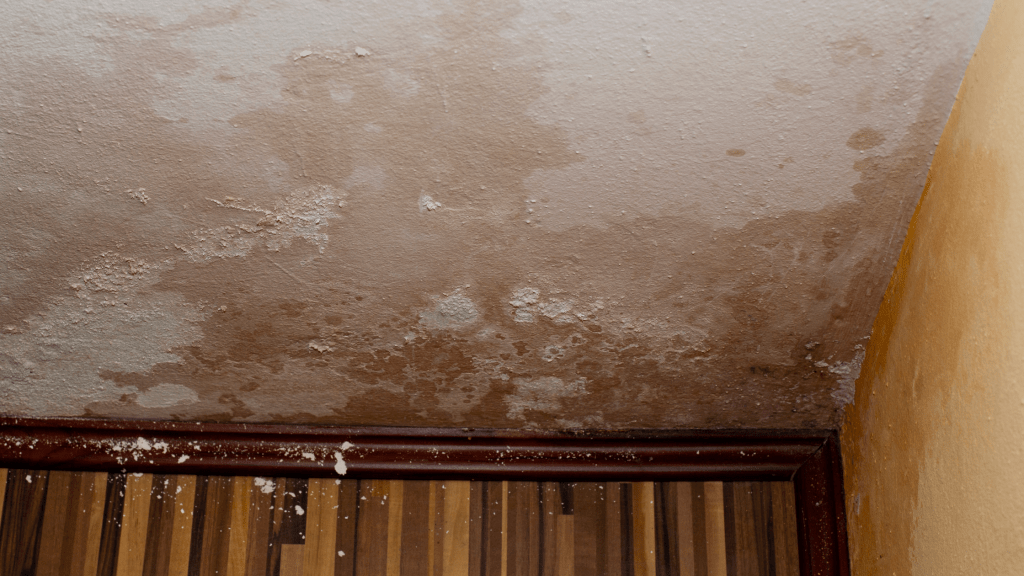
Early detection saves money and prevents bigger problems. Here’s what to look for in your home:
Visible signs are the most obvious indicators:
- Water stains or wet patches on walls
- Peeling or bubbling paint
- Plaster falling off
- White powdery deposits (called efflorescence)
- Black or green mould spots
- Discoloured patches on walls or ceilings
Smell and feel can tell you a lot. A musty, unpleasant odour is often the first sign people notice. Walls that feel cold and damp to touch, rooms that feel colder than they should, and air that feels heavy and humid all indicate moisture problems.
Other indicators include rust on metal fixtures, warping of wooden doors or furniture, damaged wallpaper, and even increased mosquito activity in certain areas of your home.
While you can spot these signs yourself, professional inspection is crucial for accurate diagnosis. Our dampness inspection services use advanced technology to find hidden moisture and identify the exact cause—not just the symptoms. Our professional detection methods include moisture meters to measure water content in walls accurately, thermal imaging cameras that reveal moisture patterns invisible to the naked eye, and humidity testing in different rooms. We conduct comprehensive dampness inspection of all affected areas and perform detailed Root Cause Analysis (RCA) to identify moisture sources.
Understanding Dampness Impact on Your Building
Dampness in buildings doesn’t just affect the surface of your walls—it penetrates deep into the building structure and causes progressive damage over time. When moisture enters building materials like concrete, brick, or plaster, it weakens them from within. The water carries dissolved salts from the ground or building materials, which crystallise on surfaces, creating that white powdery deposit you often see.
How Dampness Spreads: Moisture moves through buildings in three main ways—capillary action (like water moving up a sponge), vapor diffusion (moisture in the air moving through materials), and direct water flow through cracks or gaps. Understanding these movement patterns is crucial because treating the surface while ignoring the source only provides temporary relief.
The Health Connection: Damp environments create perfect conditions for mould, mildew, and dust mites to thrive. These organisms release spores and allergens into the air you breathe daily. Prolonged exposure can trigger respiratory problems, allergies, asthma attacks, and skin irritations, especially in children, elderly people, and those with existing health conditions.
Material Damage Timeline: Dampness damage happens in stages. Initially, you see cosmetic issues like discolouration and peeling paint. Within months, plaster begins to weaken and crumble. Over years, the structural integrity of walls deteriorates as steel reinforcement rusts and expands, concrete spalls, and bricks lose their bonding. Wooden elements rot, and electrical installations become hazardous. What starts as a small damp patch can become a major structural problem if ignored.
Why Professional Inspection Matters
Many homeowners try to address dampness by simply repainting walls or applying surface treatments. While this might hide the problem temporarily, the underlying moisture issue continues to worsen. Professional inspection goes beyond what’s visible to identify the true source and extent of dampness.
Advanced Detection Technology: Modern dampness detection uses sophisticated equipment that reveals problems invisible to the naked eye. Moisture meters provide precise readings of water content deep within walls. Thermal imaging cameras show temperature variations that indicate hidden moisture patterns. Hygrometers measure humidity levels to assess condensation risks. These tools help create a complete picture of the dampness problem.
Root Cause Analysis Approach: Surface symptoms often mislead about the actual cause. A damp patch on an interior wall might result from a leaking terrace above, rising damp from below, or a broken pipe inside the wall. Our Root Cause Analysis (RCA) methodology systematically investigates all possibilities to identify the true source. Only when the root cause is correctly identified can effective treatment be planned.
Comprehensive Assessment: A thorough dampness inspection examines not just the visible damp areas but the entire building envelope. This includes checking terraces, external walls, basements, plumbing lines, drainage systems, and ventilation adequacy. The inspection also considers building age, construction methods, previous repairs, and local environmental factors. This holistic approach ensures nothing is missed.
Prevention: Stop Dampness Before it Starts
Prevention is always better and cheaper than cure. If you’re building a new home, insist on proper DPC installation from the foundation level. Use quality waterproofing materials in bathrooms, kitchens, and terraces. Ensure proper slopes for water drainage everywhere water might collect. Using good quality construction materials and installing proper ventilation systems from the start saves enormous trouble later.
Regular maintenance is essential for existing homes. Inspect your roof and gutters every year, especially before monsoon season. Clean blocked gutters and drains—this simple task prevents many dampness problems. Fix cracks immediately when you see them; small cracks become big problems during heavy rains. Repaint every 3-4 years with quality moisture-resistant paint. Check for plumbing leaks regularly, as hidden leaks inside walls cause severe dampness over time.
Simple daily habits make a big difference:
- Open windows daily for at least 30 minutes to allow air circulation
- Use exhaust fans when cooking or bathing to remove steam immediately
- Dry clothes outside or in well-ventilated areas, not inside rooms
- Don’t push furniture directly against external walls—leave some gap
- Use a dehumidifier in problem areas during monsoon season
- Wipe condensation from windows and bathroom tiles promptly
Seasonal care helps too. Before monsoon, check your roof thoroughly, clean all gutters and drains, and seal any cracks you find. During monsoon, keep rooms well-ventilated despite the humidity and watch for any new leaks. After monsoon ends, inspect for any new damp patches that might have developed. In winter, manage condensation actively and use exhaust fans more frequently.
Conclusion
Dampness in buildings is a serious issue that affects both the structural integrity and the health of occupants. Understanding the causes and appropriate solutions is the first step toward protecting your property. Whether it’s rising damp, penetrating damp, or condensation, early detection and proper diagnosis are crucial.
Regular maintenance, proper ventilation, and timely intervention can prevent small moisture problems from becoming major structural issues. Knowledge about dampness sources and prevention methods empowers you to take proactive steps in protecting your home.
Frequently Asked Questions About Dampness
Q: How do I know if my house has dampness?
A: Look for visible signs like wet patches on walls, peeling paint, white powdery deposits (efflorescence), mould growth, or discoloured areas. You may also notice a musty smell, walls that feel cold and damp to touch, or condensation on windows. If you experience any of these, it’s likely you have a dampness problem.
Q: What is the main cause of dampness in buildings?
A: There isn’t one single cause—dampness results from various factors. Common causes include poor construction quality without proper damp-proof courses, structural defects like cracks and broken pipes, heavy rainfall and high humidity, inadequate ventilation, and leaking terraces or roofs. Often, multiple factors contribute to the problem.
Q: Can dampness affect my health?
A: Yes, dampness creates ideal conditions for mould, mildew, and dust mites to grow. These organisms release spores and allergens that can trigger respiratory problems, asthma attacks, allergies, and skin irritations. Children, elderly people, and those with existing health conditions are particularly vulnerable.
Q: What’s the difference between rising damp, penetrating damp, and condensation?
A: Rising damp occurs when groundwater moves upward through walls from the foundation, typically affecting the lower portions of walls. Penetrating damp happens when water enters through external walls, roofs, or windows due to structural defects. Condensation forms when warm, moist air meets cold surfaces, creating water droplets. Each type requires different treatment approaches.
Q: Can I just paint over damp walls?
A: No, painting over damp walls is a temporary fix that doesn’t solve the underlying problem. The moisture will continue to cause damage beneath the paint, and eventually, the paint will peel or bubble again. You need to identify and fix the source of dampness first, then properly treat the affected areas before repainting.
Q: How can moisture meters and thermal imaging help detect dampness?
A: Moisture meters measure the exact moisture content within walls and other building materials, showing which areas are affected and how severely. Thermal imaging cameras detect temperature differences across surfaces—damp areas appear different from dry areas because they have different thermal properties. Together, these tools reveal hidden dampness problems that aren’t visible to the naked eye.
Q: Is dampness more common in old buildings or new ones?
A: Both old and new buildings can develop dampness issues, but for different reasons. Older buildings may have deteriorating damp-proof courses, aging waterproofing, or structural damage that developed over time. New buildings can have dampness due to construction defects, inadequate waterproofing, poor quality materials, or design flaws. Proper construction practices and regular maintenance help prevent dampness regardless of building age.
Q: How often should I inspect my home for dampness?
A: Conduct a thorough inspection at least once a year, ideally before the monsoon season. Also inspect after heavy rains or any plumbing work. Check high-risk areas like bathrooms, kitchens, basements, and external walls regularly. Early detection prevents small issues from becoming major problems.